
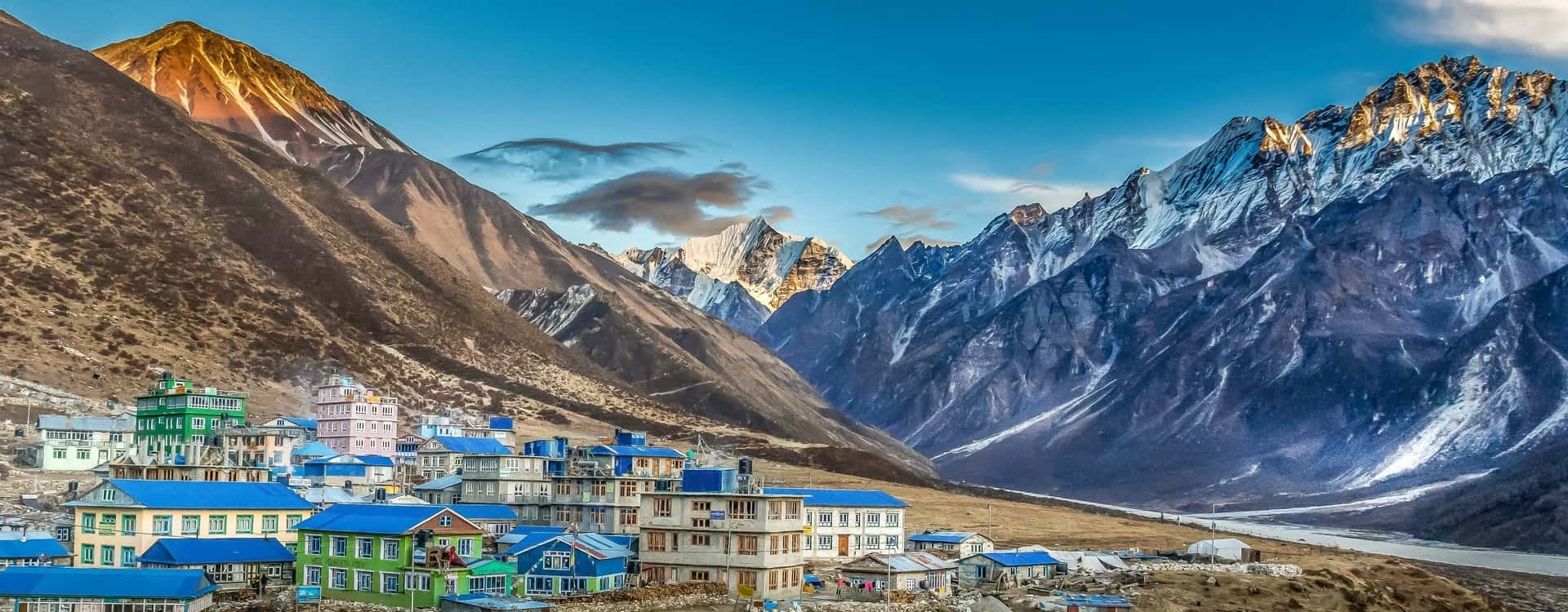
Nepal is one of world’s perfect destination for trekking. The country has eight high peaks above 8,000 meters, including Mt. Everest. Nepal offers relatively short and accessible trails to demanding high-altitude trekking routes that offer trekking experiences for beginners, experienced trekkers, to adventure seeking trekkers.
You can spend some days trekking at lower elevations, gradually gain altitude, pass through rhododendron, pine, and oak forests, and cross traditional rural villages. Explore charming villages in Langtang, witness diverse landscapes of the Himalayan region, cross the high passes in Annapurna, or do several days of walking on the remote trail of Kanchenjunga and Makalu; Nepal’s trekking destination offers the best experience in the Himalayas.
Not all renowned trekking destinations are perfect for trekkers. It totally depends on your itinerary, pace of walking, fitness level, trekking experience, preferred scenery, tolerance of altitude, and whether you choose a remote trail or a popular trekking destination.
15 Best Treks in Nepal: Comparison
Treks | Difficulty | Highest Point | Duration | Best For |
Ghorepani Poon Hill | Easy to Moderate | 3,210 m | 3-5 Days | Beginners |
Mardi Himal | Easy to Moderate | ~4,500 m | 5-7 days | Short and scenic trek |
Tamang Heritage | Easy to Moderate | ~3,165 m | 6-8 days | Culture |
Langtang Valley | Easy to Moderate | ~3,165 m | 7-9 days | Culture and Himalayas |
Annapurna Base Camp | Easy to Moderate | 4,130 m | 7-10 days | First Himalayan trek |
Khopra Ridge | Easy to Moderate | ~3,660 m | 7-10 days | Quieter Trail |
Everest Base Camp | Moderate to Difficult | 5,364 m | 12-14 days | Iconic mountain experience |
Tsum Valley | Moderate to Difficult | ~3,700 m | 14-18 days | Culture and solitude |
Annapurna Circuit | Moderate to Difficult | 5,416 m | 10-16 days | Diverse landscapes |
Gokyo Valley | Moderate to Difficult | ~5,357 m | 12-15 days | Lakes and mountains |
Manaslu Circuit | Hard/Difficult | ~5,160 m | 14-18 days | Remote adventure |
Nar Phu | Hard/Difficult | High Passes | 10-14 days | Wilderness |
Makalu Base Camp | Hard/Difficult | ~5,000 m+ | 20-24 days | Experienced trekkers |
Kanchenjunga | Hard/Difficult | ~5,143 m | 20-26 days | Remote wilderness |
Three Pass | Hard/Difficult | ~5,535 m | 17-21 days | Experienced trekkers |
Easy to Moderate Trek
Ghorepani Poon Hill Trek
If you want to experience Himalayan trekking without getting exhausted on a long and demanding trek, Ghorepani Poon Hill Trek is an excellent choice for you. The route can be completed in 3-5 days without strenuous trekking.
The trail passes through lush rhododendron forest, green terrace farm fields, and charming villages. The main highlight of this trek is Poon Hill, a famous viewpoint that offers a sunrise panorama across the Annapurna and Dhaulagiri range.
Why Choose Ghorepani Poon Hill Trek?
Short and comfortable trail
Sunrise mountain views
Perfect for beginners
Rhododendron forest
Traditional villages
Mardi Himal Trek
For trekkers who love to witness dramatic landscape changes without walking long days on the trail, Mardi Himal is an excellent option for a shorter trek with dramatic views of the changing landscape. The trek passes through lush forests to alpine landscapes and enjoy stunning views of Machhapuchhre and Annapurna.
Why Choose the Mardi Himal Trek?
Short and Accessible
Diverse landscapes
Excellent Views of the Himalayas
Relatively quieter trail
Tamang Heritage Trail
Located in Rasuwa, the Tamang Heritage Trail is perfect for those who love to explore rural culture, people, traditional villages, and its unique culture and heritage. The trek passes through traditional Tamang villages, which showcase Buddhist culture and traditions.
Unlike busy and crowded trails like ABC and EBC, Tamang Heritage Trail places greater emphasis on village life, local hospitality, and Tamang cultural traditions. The route passes through traditional villages, shows the authentic lifestyle of rural people, and the trails are not very developed but offer the comfort and scenic beauty of the Himalayas.
Why Choose the Tamang Heritage Trail?
Short and accessible
Local homestay
Rich Buddhist Culture
Friendly community
Peaceful trail
Langtang Valley Trek
Located relatively close to Kathmandu, the Langtang Valley Trek is suitable for trekkers having short time. Due to the shorter distance than ABC and EBC, this takes trekkers through a peaceful trail. Walking through lush forests and charming villages, you can expect perfect views of the Himalayas and surrounding hills. Enjoy the views of Kyanjin Ri and Langtang Lirung.
Why Choose Langtang Valley Trek?
Tamang Culture
Kyanjin Gompa
Kyanjin Ri
Suitable for fit beginners
Stunning views of the Himalayas
Annapurna Base Camp
One of the most popular trekking destinations in Nepal, the ABC trek gives the best mountain views, including Annapurna I, Machhapuchhre, and other surrounding peaks.
The trail moves through terraced farmland, rhododendron and pine forests, and alpine landscapes before reaching ABC. Along the route, you’ll pass through charming Gurung villages such as Ghandruk and Chhomrong, which show the authentic lifestyle of the local people and offer views of some of the great snow-capped peaks of the region.
Why Choose Annapurna Base Camp?
Annapurna Sanctuary
Machhapuchhre Base Camp
Scenic views of Annapurna I
Best for beginners
Moderate trek
Khopra Ridge Trek
Khopra Ridge Trek is a quieter trekking trail. This trek shows impressive mountain panoramas while passing through forests, villages, and high ridges. This trek is perfect for those who want to witness the magnificent views of the Himalayas without dealing with heavily crowded trails like ABC and EBC.
Why Choose Khopra Ridge Trek?
Quieter trail
Moderate trek
Beginner friendly
Panoramic Himalayan Views
Moderate to Difficult Trek
Everest Base Camp Trek
A classic Himalayan route, EBC is a perfect Himalayan trekking adventure. This trek takes you through charming Sherpa communities, century-old monasteries, and stunning landscapes of the Khumbu region. Passing through villages such as Namche Bazaar, Tengboche, Dingboche, Gorak Shep, and reaching the ultimate destination of the trek, EBC, this trek provides a sense of achievement.
Although the trek does not require technical climbing skills, you still need to have good knowledge of trekking and experience. You’ll be walking for long hours above 4,000 m, which makes the trek difficult. So proper acclimatization and physical preparation are important.
Why Choose EBC Trek?
Sagarmatha National Park
Sherpa Culture
Buddhist Monasteries
High altitude landscapes
Iconic views of the Himalayas, including Everest
Tsum Valley Trek
Located in the Manaslu region, Tsum Valley is known for its Tibetan-influenced culture, remote villages, and Buddhist monasteries. Trekkers can walk on quieter trails, passing through remote villages and Buddhist monasteries; this is a perfect choice for adventure lovers.
Why Choose Tsum Valley Trek?
Peaceful trail
Buddhist Culture
Remote landscapes
Attractive views of the Himalayas
Annapurna Circuit Trek
The Annapurna Circuit Trek is one of the most rewarding treks, offering stunning landscapes, Himalayan views, and diverse culture and traditions of rural villages.
The trail passes through high Himalayan landscapes, forests, mountain villages, and trans-Himalayan landscapes of the Annapurna region. One of the highlights of this trek is crossing the highest mountain pass, Thorong La Pass 5,416 m, which is a challenging and demanding section of the trek.
Why Choose the Annapurna Circuit Trek?
Dramatic landscapes
Visiting Muktinath
Crossing Thorong La Pass
Kali Gandaki Gorge
Diverse ethnic communities and cultures
Gokyo Valley Trek
Situated in the Everest region, Gokyo Valley is a different experience from the classic EBC route. Passing through Sherpa villages, this trek offers you spectacular views of the Himalayas, turquoise Gokyo Lakes, and Ngozumpa Glacier.
For trekkers who are interested in trekking in the Everest region but want to enjoy 360-degree views of the Himalayas and glacial lakes, the Gokyo Valley Trek is the best option. Due to the high-altitude terrain, trekkers should be well-prepared and acclimatize properly.
Why Choose Gokyo Valley Trek?
Gokyo Lakes
Gokyo Ri
Ngozumpa Glacier
Stunning Everest region scenery
Sherpa villages
Moderate to difficult trek
Hard/Difficult Trek
Manaslu Circuit Trek
Takes you toward Mt. Manaslu, the world’s eighth-highest mountain at 8,163 m, the Manaslu Circuit Trek is perfect for experienced trekkers. The route follows the Budhi Gandaki Valley and passes through increasingly high and remote landscapes.
You’ll pass the high-mountain pass, Larkya La Pass, a challenging yet rewarding point of the trek.
Manaslu is a restricted area, so before going on the trek, you must get the permit and other essential papers. Manaslu is a restricted trekking region, and current Nepal Tourism Board requirements include hiring an experienced, licensed guide, and a TIMS card is essential
Why Choose Manaslu Circuit Trek?
Mount Manaslu
Larkya La Pass
Budhi Gandaki Valley
Remote mountain villages
Tibetan-influenced culture
Nar Phu Valley Trek
Nar Phu Valley Trek offers dramatic mountain scenery, traditional villages, and a remote Himalayan experience. Traditional villages, dramatic cliffs, and high Himalayan landscapes make this route particularly appealing to experienced travelers looking beyond the classic trekking circuits.
This trek can be combined with the Annapurna Circuit Trek for those who want extra trekking days in the Annapurna region.
Because of its remote terrain, those with good experience and who are prepared carefully can complete this trek. An experienced and licensed guide is a must because this is a restricted area.
Why Choose Nar Phu Valley Trek?
Remote landscapes
Dramatic Mountain scenery
Challenging trail
Best for adventure lovers
Makalu Base Camp Trek
Makalu Base Camp is one of the most demanding treks in Nepal. This trek takes you toward Mt. Makalu, the world's fifth-highest mountain. Passing through remote villages, high-altitude terrain, and forests, this trek tests your physical and mental endurance.
The trek is perfect for challenge seekers who love to trek on remote trails for long days and changing mountain terrain.
Why Choose Makalu Base Camp Trek?
Challenging and adventurous
Remote village trail
Quieter trail
Stunning views of the Himalayas and surrounding hills
Remote lifestyle
Kanchenjunga Trek
Located in eastern Nepal, the Kanchenjunga Trek is a remote trekking route in Nepal. The trekking routes are not as developed as popular trekking trails like ABC and EBC, but the untouched beauty of the region amazes you. This trek takes you toward Mt. Kanchenjunga, the third-highest peak in the world. Passing through forests, remote villages, and high-altitude terrain, the trek provides tranquil scenery of the region.
Due to the hard trekking route, proper preparation, the right gear, a comfortable itinerary, and an experienced guide make this journey comfortable and memorable.
Why Choose Kanchenjunga Trek?
Remote trail
Witness Mt. Kanchenjunga
Authentic remote lifestyle
Compelling wilderness
Three Passes Trek
Also known as the Everest Three Passes Trek, the demanding route crosses three major passes in the Khumbu region: Renjo La (5,360 m), Cho La (5,420 m), and Kongma La (5,535 m). This trek is considered a hard trekking route among Nepal’s more demanding routes. For experienced trekkers seeking a challenging route in the Everest region, the Three High Passes trek is ideal.
This is one of the most demanding trekking routes in the Everest region. The trek combines high-altitude passes, rugged mountain terrain, glacial landscapes, and some of the most impressive scenery in the Everest region.
Why Choose Three High Passes Trek?
Cross Renjo La, Cho La, and Kongma La passes
Everest Base Camp
Turquoise Gokyo Lakes
Gokyo Ri
Kala Patthar
Himalayan Panorama
How Difficult Are Nepal’s Treks?
Depending on altitude, duration, trail condition, weather conditions, daily walking hours, your fitness level, and experience, the difficulty of a trek varies. You do not need technical mountaineering skills to trek in Nepal, but good preparation and experience of walking in high-altitude regions for long hours are recommended.
Easy to Moderate Trek
An easy to moderate trek can be completed by beginners. For trekkers who want to experience the Himalayan beauty without walking on difficult trails for long days, an easy to moderate trek is perfect. Ghorepani Poon Hill, Mardi Himal, Langtang Valley, and Tamang Heritage Trail are perfect for experiencing the Himalayan culture and lifestyle and scenic Mountain views.
These treks go uphill and downhill, so some knowledge of trekking and experience will help you complete the trek. Proper hydration and acclimatization help ensure a smooth and comfortable trek.
Moderate to Difficult Trek
A moderate to difficult trek involves long walking days on ascent and descent trails, and higher elevation, so proper physical preparation and experience are needed. Treks like Everest Base Camp, Tsum Valley, Annapurna Circuit, and Gokyo Valley trek are considered moderate to difficult treks.
This trek involves a high-altitude mountain trail and an uneven, rocky path, and altitude sickness may arise due to changing elevation throughout the trek. So, proper acclimatization and a steady walking pace are needed. This helps to recover and stay safe from altitude-related sickness.
Hard/Difficult Trek
Trekking in Manaslu Circuit, Nar Phu, Kanchenjunga, and Makalu Base Camp is considered a difficult trek. These treks involve longer trekking days in high-altitude, remote regions of Nepal. The terrain is demanding, and passing through high passes requires strong physical preparation and experience.
These routes are suited for experienced high-altitude trekkers. Proper preparation, suitable equipment, a locally licensed guide, and a suitable itinerary are very important.
Very Hard Trek
The Everest Three High Passes is the hardest trek in the list. This trek passes through three high passes, Renjo La (5,360 m), Cho La (5,420 m), and Kongma La (5,535 m). The trail is difficult to cross, and changing weather and temperature add more difficulty to the trek.
Proper physical preparation, a suitable itinerary, walking on rugged and challenging mountain trails for long days, and good experience of high-altitude trekking can make this journey comfortable and achievable.
What Makes Nepal Trek Difficult?
Distance
Duration
Weather Condition
Trail Condition
Daily Walking Hours
Acclimatization
How to Choose the Best Trek For You?
Every trek demands some preparation and experience trekking for long hours. There is no single trekking route that is perfect for everyone. The ideal route depends on your preparation, itinerary selection, available time, budget, preferred scenery, and the type of experience you want to have.
Best Trek for Beginners
Ghorepani Poon Hill is one of the best trekking destinations for beginners. This trek is short and comfortable to walk on the trail. Walking for 3-5 days on the trail takes you toward the viewpoint, Poon Hill, from where you can enjoy a stunning panoramic sunrise view over the Himalayas and surrounding hills.
For those who are physically fit, well-prepared, and can walk for longer days on the trail, the Annapurna Base Camp or Langtang Valley trek is also perfect.
Best Trek for Mountain Views
If your main aim is to witness the breathtaking panorama of the Himalayas, Everest Base Camp is perfect. This trek offers incredible views of Mt. Everest, ama dablam, Lhotse, and some other giant peaks throughout the Khumbu region.
The Gokyo Valley and Annapurna Base Camp trek is also an excellent choice, offering close-up views of the Himalayas, glacial lakes, and dramatic Himalayan landscapes.
Best Short Trek
If you prefer 5-10 days of trekking on the trail, then Mardi Himal, Ghorepani Poon Hill, and Tamang Heritage Trail are excellent choices. Although these treks are short, but offers one of the finest views of the Himalayas, stunning landscapes, and the rich heritage of the region.
Best Challenging Trek
Everest Three Passes, Manaslu Circuit, Makalu Base Camp, Nar Phu Valley, and Kanchenjunga trek are excellent choices if you are looking for a challenging trek in Nepal.
The route involves strenuous trekking, longer days of walking in remote regions, demanding terrain, and changing trekking conditions. These treks demand strong preparation and extensive experience of trekking in high-altitude regions.
Best Trek for Remote Wilderness
If you prefer quieter trekking trails and remote wilderness, Kanchenjunga, Makalu Base Camp, Manaslu, or Nar Phu Valley will be excellent options. Being remote trekking routes, these trekking destinations offer the authentic lifestyle of locals, the rich and untouched beauty of the surroundings, and a stronger sense of wilderness than the busiest trekking destinations.
Best Trek for Culture
Langtang Valley, Tamang Heritage Trail, and Tsum Valley trek are perfect choices if you want to enjoy the rich culture and traditions of Nepal. These trekking routes take you through charming traditional villages that showcase authentic culture and traditions of their communities.
Explore traditional villages, Buddhist monasteries, local communities, and distinct Himalayan culture.
Best Budget Friendly Trek
The total cost depends on the itinerary you choose, transportation, accommodation, food, permits, and equipment. If you have a limited budget friendly and shorter trekking days, the Ghorepani Poon Hill, Langtang Valley, and Mardi Himal treks are the best options. These trek is completed in short duration of time, use limited transportation for short days, and accommodation and food cost are low compared to other long trekking days.
Best Trek for First-Time Visitors
If you are a first-time visitor to Nepal, have good experience and physical fitness, and want to witness stunning Himalayan views, Everest Base Camp Trek is perfect for you. This trek is a perfect destination to enjoy your first trek in Nepal.
Or if you have less experience and want an easy and comfortable trek, the best options will be Ghorepani Poon Hill, Langtang Valley, Mardi Himal, or Annapurna Base Camp, which can be a practical choice.
Best Trek in Spring
Perfect season to trek in the Nepal Himalayas. March to May offers excellent views of the Himalayas, colorful hills after the blooming of rhododendrons and other flowers, and the whole environment becomes pleasant. Everest Base Camp, Annapurna Circuit, Annapurna Base Camp, or Langtang Valley are perfect for a spring trek.
The temperature is mild and crisp, offering clear views, comfortable walking trails, and vibrant weather condition makes the journey comfortable and memorable.
Best Trek in Autumn
Everest Base Camp, Annapurna Circuit, Annapurna Base Camp, Langtang, Manaslu, and Gokyo Valley are the most considered trekking destinations during this season.
This season offers crystal-clear views of the Himalayas and the surrounding Hills; cool and crisp mountain air touches your skin and makes you feel refreshed. Most of the popular trekking routes are crowded during this season.
Best Season to Trek
Spring Season (March to May)
One of the best seasons for trekking in the Himalayas of Nepal. Spring offers warm and comfortable weather, dry trails, and excellent views of the surroundings. After theblooming ofrhododendron and some other wildflowers, the whole hills become colorful, making for postcard-perfect views.
This season is perfect for trekking in Everest, Annapurna, Langtang, and some other famous trekking destinations.
Monsoon Season (June to August)
Due to heavy rainfall and landslides in the hilly region, the monsoon season is not perfect for trekking. Trails become wet and slippery, making it difficult to walk on the trail. However, after rainfall, the weather gets clear, making it perfect for excellent mountain views.
Upper Mustang can be a suitable option during this season due to the rain-shadow region. But proper preparation, experience, and trekking with an experienced guide are recommended.
Autumn Season (September to November)
Autumn is the perfect season for trekking in Nepal. During this season, the visibility of the Himalayas is crystal-clear, and the cool, crisp weather conditions and vibrant atmosphere make this season more preferable.
Winter Season (December to February)
During the winter season, most of the high-altitude trekking region trails are covered with snow, making it difficult to walk on the trail. Due to cold temperatures and weather, visibility is also blocked by clouds/fogs.
During this season, trekking destinations like the Ghorepani poon Hill trek are accessible, but proper preparation is essential.
Trekking Permits and Cost in Nepal
The trekking permits and fee requirements vary with the trekking destination. You’ll need to have national park permits, a conservation area entry permit, a restricted area permit, and a TIMS card. Based on your trekking destination, permits and costs may be different, so check the recent regulations before your trek.
To trek in a restricted region, there may be additional permits and fees you have to consider, so always check the latest news and consult with your trekking agency; they will help you throughout your trek.
The cost of the permits can vary based on:
Trekking Area
Trekking days
Trekking permits
TIMS and conservation-area fees
Guide and porter services
Accommodation
Food and drinks
Transportation
Trekking equipment
Travel insurance
Emergency or contingency expenses
Based on your trekking duration and area, the cost varies. If you are looking for a short-distance trekking route, it will cost you less than a longer-distance and remote trekking region. The cost and fees of permits and other additional things may vary, so always official website of the Nepal Tourism Board before planning your adventure in Nepal.
Packing List for Trek
Your packing list should depend on the trek, season, altitude, and duration. Always carry the most essential items in your bag so that you do not have to stress about daypack weight during your trekking days.
Clothing
Moisture-wicking base layers
Trekking T-shirts
Fleece or warm mid-layer
Down or insulated jacket
Waterproof jacket
Trekking trousers
Warm hat
Gloves
Trekking socks
Footwear
Comfortable trekking boots
Extra socks
Lightweight camp shoes or sandals
Gaiters when appropriate
Trekking Gear
Daypack
Duffel bag if using a porter
Trekking poles
Sleeping bag suitable for the season
Water bottles or hydration system
Headlamp
Sunglasses
Health and Personal Items
Sunscreen
Lip balm
Basic first-aid supplies
Personal medication
Water purification tablets or filter
Personal hygiene products
Electronics
Mobile phone
Power bank
Charging cables
Universal adapter
Important Documents
Passport
Trekking permits
Travel insurance documents
Emergency contact information
Nepalese currency
Conclusion
Nepal offers trekking destinations for every type of trekker. Whether you want a short, moderate, difficult, or hard trek, the Nepal Himalayas welcome you to experience every type of trek.
Ghorepani PoonHill, Langtang Valley, Mardi Himal are perfect for short and scenic trek for beginners. For trekkers with experience, Everest Base Camp, Annapurna Base Camp, Gokyo Valley trek are perfect. And for those who wants adventure and remote wilderness, Kanchenjunga Manaslu Circuit, Nar Phu and some other treks are excellent options.
Ultimately, the best trek doesnot need to be long and sterious trekking days, some short and scenic trek also provides best views of the Himalayas and nature. Choose the route that matches your time availability, budget, preparation, experience, comfort, and altitude preferred.
FAQs
Is Nepal’s trekking destination difficult?
It totally depends on your itinerary and destination you choose to trek. If you select short and moderate trekking destination like Ghorepani Poon Hill tre, you’ll reach the destination comfortably. But if you choose a high-altitude and remote destination, the trek becomes difficult and challenging.
What is the most beautiful trek in Nepal?
Beauty is a subjective matter; EBC, ABC, Annapurna Circuit, and Gokyo Valley treks offer the breathtaking beauty of the Himalayas. These trekking destinations are famous for their incredible beauty.
Which trek offers the best views of the Himalayas?
EBC, Gokyo Valley, ABC, and Annapurna Circuit treks offer some of the most breathtaking views of the Himalayas. The best choice depends on you: whether you choose close-up Everest views, panoramic Himalayas, Glaciers, lakes, or diverse landscapes.
Which Nepal trek is best for a peaceful experience?
If avoiding busy trails is your priority, consider routes such as Tamang Heritage, Khopra Ridge, Tsum Valley, Nar Phu, Kanchenjunga, or Makalu Base Camp. The level of solitude varies by season and itinerary.
Which trek is best for beginners?
Ghorepani Poon Hill, Mardi Himal, or Langtang Valley will be the best choice for beginners. These treks are short and do not demand high trekking experience.
What is the hardest trek in Nepal?
Everest Three Passes, Kanchenjunga, and Makalu Base Camp are more demanding treks in Nepal. The difficulty depends on terrain, altitude, weather conditions, and the total duration of the trek.
How much does trekking cost in Nepal?
The cost of trekking depends on itinerary, duration, permit, guide, accommodation, food, and transportation.
Is trekking in Nepal safe for first-time trekkers?
Yes, Nepal is safe for first-time trekkers. Many trekkers complete their trek without getting any difficulty. Choose right itinerary, acclimatize properly, physical preparation, check weather condition, and carry essential gears.
Can I trek in Nepal without physical preparation?
A reasonable knowledge and preparation is needed. Choose short and easy trekking route and avoid rush walk in trails.