
Trekking in Nepal is possible throughout the year, with each season offering a different experience and the beauty of the Himalayas, hills, and valleys. However, spring (March-May) and autumn (September-November) are the favourable seasons for trekking in Nepal.
Most of the trekkers and travellers enjoy stable and comfortable weather, clearer skies, excellent mountain visibility, and dry trail conditions. During spring, the landscape becomes vibrant when rhododendrons and other flowers bloom in the hills. Also, autumn offers postcard-perfect views of the Himalayas and Nepal’s rich cultural beauty.
Due to comfortable weather conditions, spring and autumn attract the largest number of travellers to explore Nepal. Whether you're planning the Everest Base Camp trek, Annapurna Circuit, Langtang Valley trek, or another Himalayan adventure, choosing the right season can significantly enhance your trekking experience.
When Is the Best Time to Trek in Nepal?
Generally, spring and autumn are the best seasons for trekking in Nepal because they offer warm and comfortable weather, dry trails, and crystal-clear visibility of the Himalayas and surroundings.
Seasons | Months | Mountain Views | Crowds | Weather |
Spring | Mar-May | Excellent | High | Mild and Stable |
Monsoon | Jun-Aug | Often Limited | Low | Wet and Humid in many areas |
Autumn | Sep-Nov | Excellent | High | Dry and Generally Stable |
Winter | Dec-Feb | Often Clear | Low | Cold, mainly in High-altitude |
Nepal Trekking Seasons: What to Expect
Spring (March-May)
As winter ends, the temperature gradually rises. Days start to get longer, and the clear and crisp atmosphere allows you to witness the beauty of nature. The Himalayas and surrounding peaks are often clearly visible, offering you magnificent views of the Himalayan ranges.
During this season, the trail is dry and comfortable for walking in the region. The colorful beauty of the hills and trails after the blooming of rhododendron and wildflowers creates picturesque views of the region. Due to the ideal season for trekking in the Himalayas, this season brings crowds to the trail.
Monsoon/Summer (Jun-Aug)
After the spring season, the monsoon/summer season arrives in Nepal. The temperatures are generally warm in lower-elevation areas, and there is a high chance of heavy rainfall in the lower regions. Slippery trails, chances of landslides, and leeches on the trails make it difficult to trek in the high-altitude region. But after rainfall, the weather becomes clear and offers the best views of the green hills, dramatic landscapes, and perfect views of the Himalayas.
During this season, very few trekkers come to Nepal. But rain-shadow destinations of Nepal like Upper Mustang are a suitable choice for monsoon trekkers. An excellent trekking experience and hiring an experienced trekking guide are highly recommended.
Autumn (Sep-Nov)
This is the post-monsoon season and offers the best views of the surroundings. The temperature during the morning and night is cold, but the day is warm and comfortable; trails are busy, and crystal-clear visibility of the Himalayas and surrounding hills grabs your attention. Most of the trekking destinations, trails, and teahouses are busy and crowded during this season.
Also, the great festivals of Nepal, Dashain and Tihar, are held during October, so trekkers get the opportunity to experience the rich culture and festivals of Nepal.
Winter (Dec-Feb)
Winter is cold and difficult for trekking in high-altitude regions like Everest, Annapurna, and Langtang. High-altitude trails are covered with snow, and very few or no trekkers join the trek. But there are lower-altitude alternatives like Ghorepani, Poon Hill, Ghandruk, Pokhara, and Kathmandu that are possible to explore.
If you come during the winter season, carry warm essentials and hire an experienced guide. We recommend you to choose lower-altitude region for trekking and exploration.
Trekking in Nepal Month by Month
January
January is a cold month. Most of the high-altitude trekking trails may be covered by snow, making it difficult to trek. The visibility of the Himalayas is quite cloudy, so it is not recommended for high-altitude trekking. Trekkers can enjoy lower-elevation exploration.
February
This month is still cold but not as cold as January. Mornings and nights are cool, but daytime becomes slightly warm, though it is still not recommended for trekking without carrying warm essentials and an experienced guide.
March
During this month, the cold atmosphere gradually changes to warm, and trails become accessible for trekking. Rhododendron and other wildflowers start to bloom, making it a picturesque scene. Trekkers start to trek in this season.
April
April is the most favourable month for trekking in Nepal. The temperature is warm and comfortable, the landscapes change into a colorful painting, and the visibility of the Himalayas and surroundings is at its greatest point. The trail and teahouses in higher regions start to get busy.
May
May is warmer, and beautiful spring landscapes attract trekkers. Chances of pre-monsoon rain and clouds; due to this, trekkers start to decrease, so, best for trekkers who love to explore quieter and peaceful trails.
June
The temperature rises, the monsoon starts, and the landscape becomes challenging for trekking in higher regions. Due to rainfall, flights get delayed, road conditions get worse, and muddy trails make trekking difficult.
July
Most of the time, rainfall occurs, making it very difficult for trekking. Most of the routes get slippery, leeches are common on wet trails, and there is a high chance of landslides in the lower-elevation region; due to this, most trekkers avoid this month for trekking.
August
Rainfall continues, but after the rainfall, the green, lush hills and greenery attract trekkers to join the trek. The visibility is limited but at its best point.
If you want to experience a monsoon trek, prefer the rain-shadow areas like Upper Mustang.
September
After the monsoon is gone, the trekking season starts again. The landscape is especially vibrant. The crystal-clear visibility, fresh landscapes, and clear skies add to the beauty of nature.
October
October is generally one of the best and busiest months for trekking in Nepal’s Himalayas. After the monsoon goes away, the green and lush hills, cascading waterfalls, and magnificent views of the giant Himalayan ranges take your breath away. Most of the trails are crowded, and trekkers can experience the greatest festival of Nepal.
November
Offers cool and dry weather, perfect visibility, and slightly quieter trails. Packing warm essentials is recommended.
December
The temperature starts to fall, but the beauty of the surroundings is mesmerizing. At higher elevations, snowfall starts, making it difficult to walk on the trail. Trails become peaceful, ideal for trekkers to trek in quiet trail.
Best Time to Trek Popular Routes in Nepal
Best Time to Trek the Everest Base Camp
Best Time: March-May, September-November
The Everest Base Camp Trek is a renowned high-altitude trek in Nepal. Generally, the spring and autumn seasons are considered the best seasons for trekking in Everest. During these seasons, the visibility is clear, weather and temperature are comfortable the trail conditions are best. Spring brings colourful rhododendron and wildflower blooms to the trails. Combined with spectacular views of the Himalayas, these landscapes create a memorable trekking experience.
These are peak seasons, so always go for booking in advance to confirm all the things before heading for the trek.
Best Time to Trek the Annapurna Circuit
Best Time: March-May, September-November
The Annapurna Circuit goes through a wide range of landscapes and elevations, so weather conditions can change dramatically along the route. Spring is renowned for colorful landscapes, calming trekking trails, comfortable temperatures, and beautiful Himalayan views. Autumn is famous for spectacular views of the Himalayas and great visibility of nature after the monsoon.
Best Time to Trek the Langtang Valley
Best Time: March-May, September-November
During the spring and autumn seasons, the Langtang Valley is at its peak beauty. The colorful, dramatic landscape, comfortable and dry trekking trails, crystal-clear views of the Himalayas, clear and crisp skies, and warm and comfortable trekking days- both of these seasons offer the best views of the region.
Best Time to Trek the Upper Mustang
Best Time: May-October
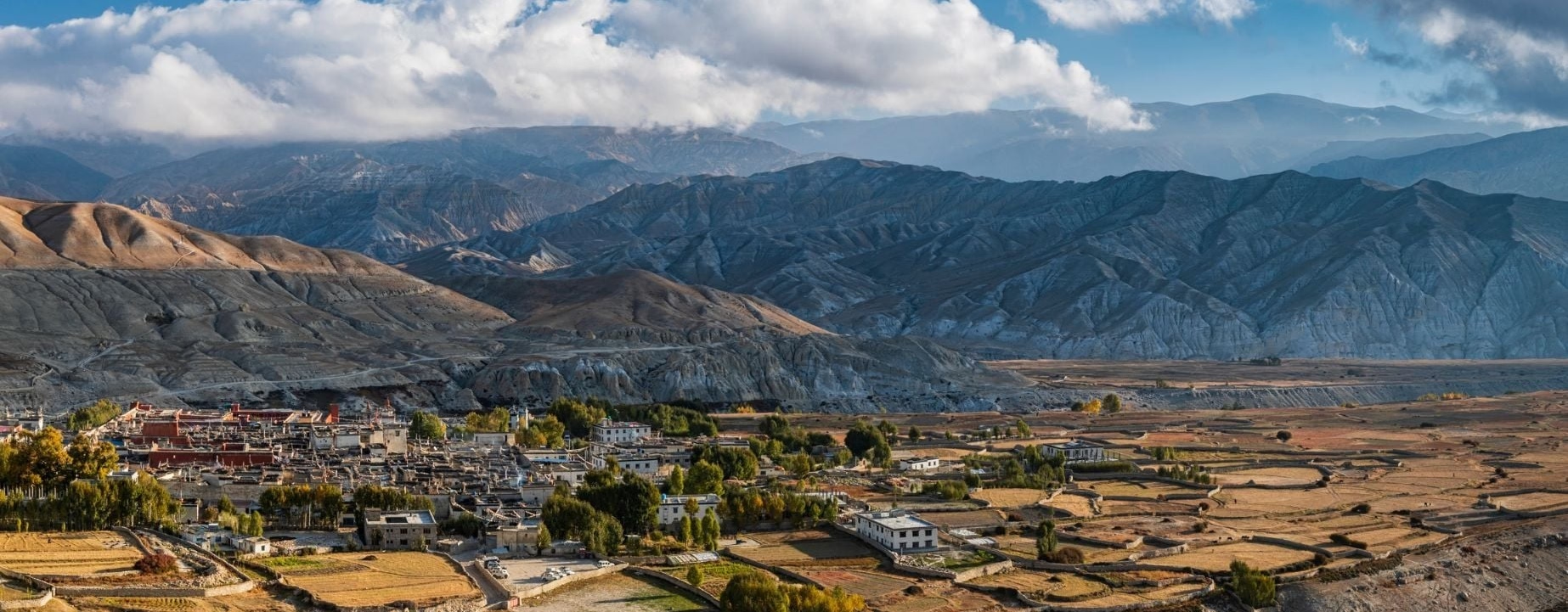
As it lies in the rain-shadow region of the Himalayas, you can trek in the Upper Mustang during the monsoon summer season. The dramatic and unbelievable beauty of this region is one of the best attractions for trekkers. Spring and autumn seasons are also perfect for exploring. These seasons provide opportunities to explore Upper Mustang’s dry landscapes, dramatic cliffs, ancient villages, monasteries, and Tibetan-influenced culture and traditions.
Trekking in the monsoon and winter seasons is also possible, but it brings quite a few difficulties and complications while trekking. With good experience, the right gear, and an experienced guide, trekking can be completed. Extra care, sound knowledge, and preparation for high-altitude trekking are highly recommended.
How to Choose the Best Time for Your Nepal Trek
While trekking in Nepal, choosing the right season is very important. The best time can depend on the trekking route, altitude, weather conditions, your experience, and the type of experience you want.
Consider Weather and Trail Conditions
If you want to see clear skies, comfortable and dry trekking trails, and comfortable temperatures, then spring and autumn seasons are best. Trekking in the monsoon and winter is quite harsh, and visibility during these seasons is poor. So go for spring and autumn to experience the best trekking.
Consider Mountain Views
If you prioritize a perfect mountain panorama, then select the autumn season because after the monsoon, the weather gets clear and offers crystal-clear views of the surroundings.
Consider Crowd
If you want a calming and peaceful trekking trail, then consider trekking in May or October, or even during August. If you prefer a quieter experience, consider travelling during the shoulder or off-seasons, depending on your chosen route and current conditions.
Spring and autumn are the busiest seasons for trekking, making trails and teahouses crowded.
Consider Preparation and Experience
Your preparation and experience also determine your trekking time in Nepal. High-altitude trekking in Nepal requires careful preparation and good experience. If you try to trek during the off-season, then these are the most important things. Always carry warm wear, the right gear, and route knowledge, and hiring an experienced guide is highly recommended.
Consider Trekking Routes
Not every trekking destination follows the same seasonal pattern. Upper Mustang, for example, lies in the rain-shadow region and can be a suitable option during the monsoon, while high-altitude routes may be more challenging during winter.
Conclusion
Choosing the right season can make your trekking experience enjoyable, adventurous, and memorable. From colorful spring landscapes to vibrant crystal-clear views in autumn, to peaceful trekking trails in winter, and clear and green monsoon, each season offers different vibes. Consider routes, experience, preparation, and visibility of the Himalayas, then plan your trek in the Nepal Himalayas.
FAQs
What is the best time to trek in Nepal?
Spring (March–May) and autumn (September–November) are generally considered the best seasons for trekking in Nepal because of favourable weather, good trail conditions, and excellent mountain visibility.
Which month is best for trekking in Nepal?
October and April are among the most popular months for trekking, offering generally stable weather, comfortable conditions, and clear Himalayan views.
Can I trek in Nepal during the monsoon?
Yes. Trekking is possible during the monsoon, but heavy rainfall can make many trails wet and challenging. Rain-shadow destinations such as Upper Mustang are better suited to monsoon trekking.
Is winter a good time to trek in Nepal?
Winter trekking is possible, especially at lower elevations. However, higher-altitude routes can experience snow and freezing temperatures, so proper preparation and route selection are important.
What is the best time to trek to Everest Base Camp?
March–May and September–November are generally the most favourable periods for the Everest Base Camp trek, with good visibility and suitable trekking conditions.
What should I consider when choosing a trekking season?
Consider your trekking route, altitude, weather conditions, experience level, preferred scenery, and tolerance for crowds before choosing when to trek.
Which Nepal treks are suitable during the monsoon?
Upper Mustang is one of the most suitable options because it lies in the rain-shadow region. Other routes may also be possible depending on current weather and trail conditions.