
- Visit UNESCO Sites and Sagarmatha National Park.
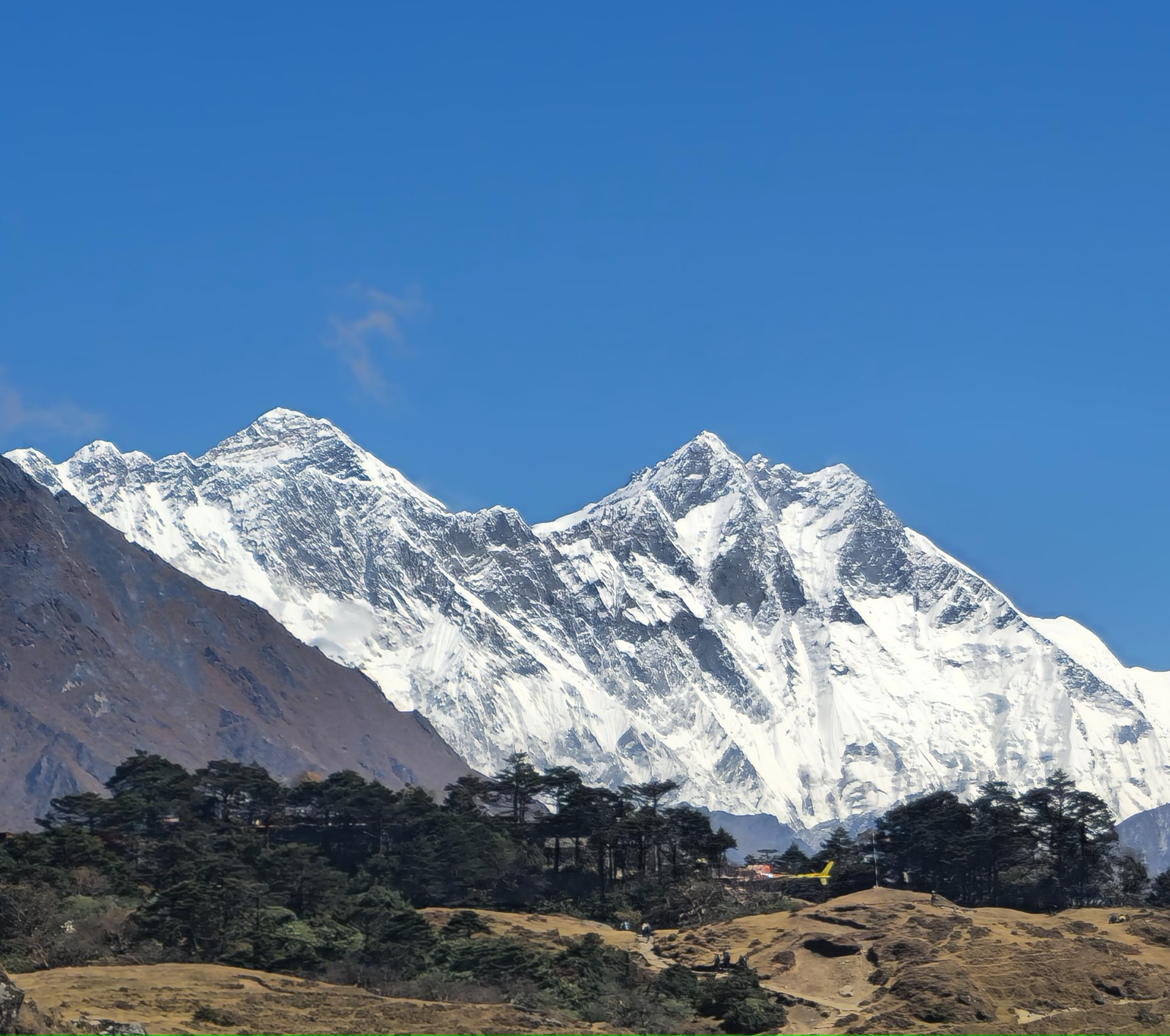
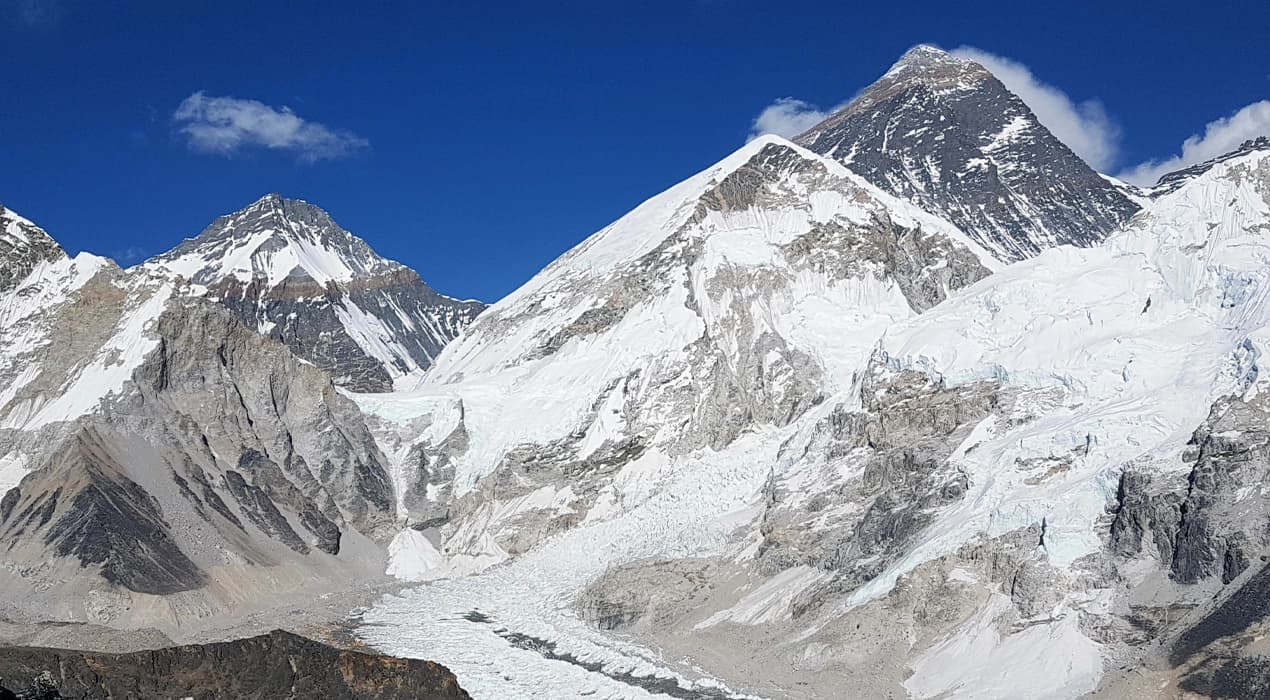
- Watch the aerial view of the world`s towering peaks -Everest, Lhotse, Nuptse, and Ama Dablam.
- Explore local inhabitants, culture, and customs.
- Visit the world's largest Gompa, Tengboche Monastery, situated in the Khumbu region.
- Breathe where the atmosphere is created by the world's highest peak.
- Hiking to Kala Patthar from here offers great panorama views of the mountain region.
- Being part of such great ecosystems: from lush with rhododendrons to an alpine meadow.
- Experience the history of climbing Mount Everest and Sherpa people which enriches the trekking experience.
Everest Base Camp Regular Trek
5.0/2 reviews
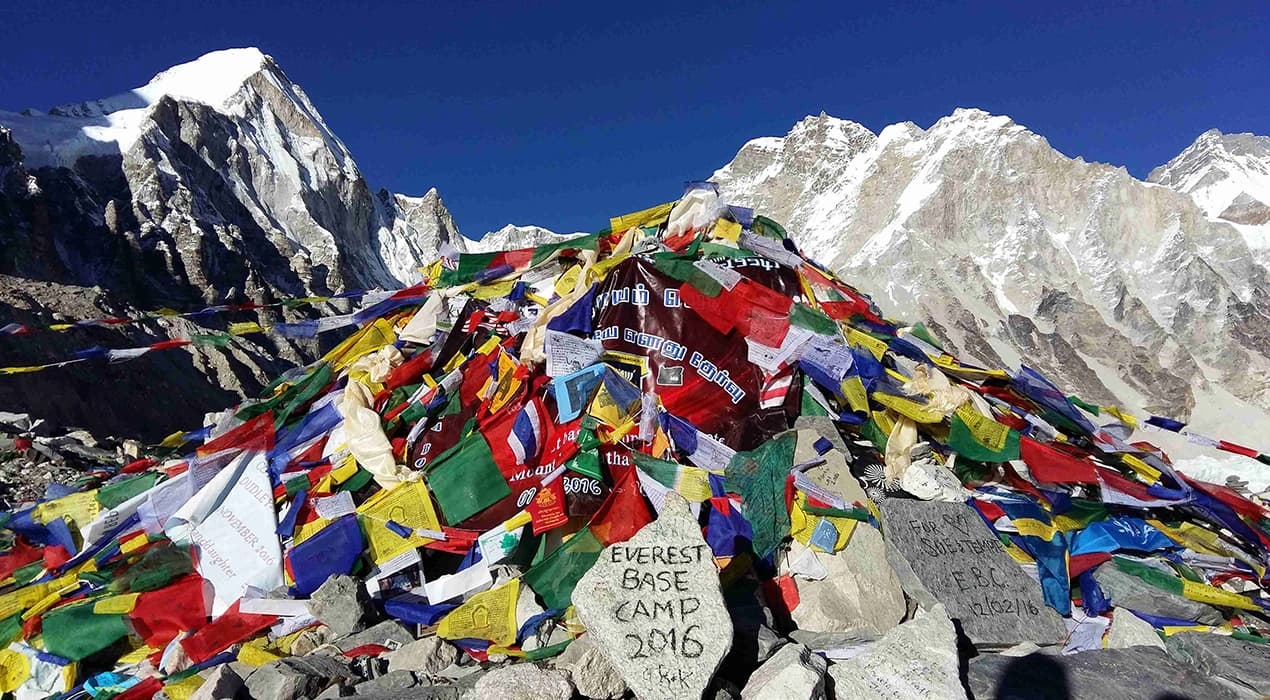
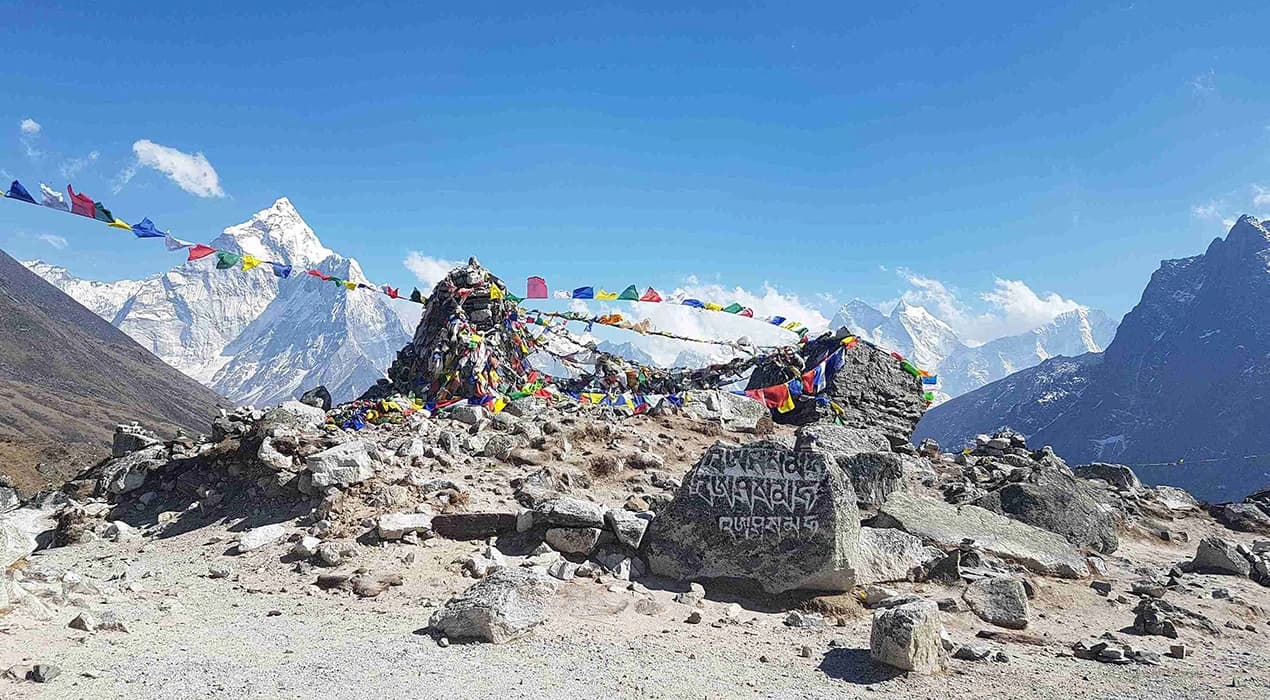
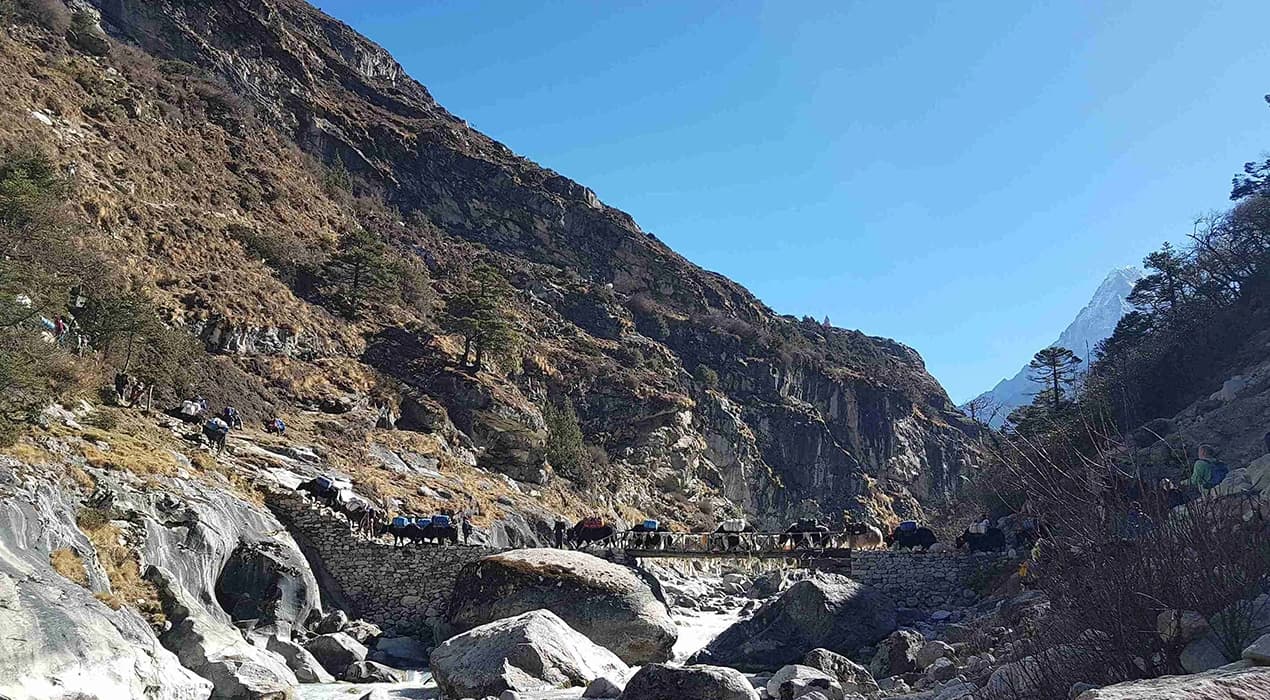
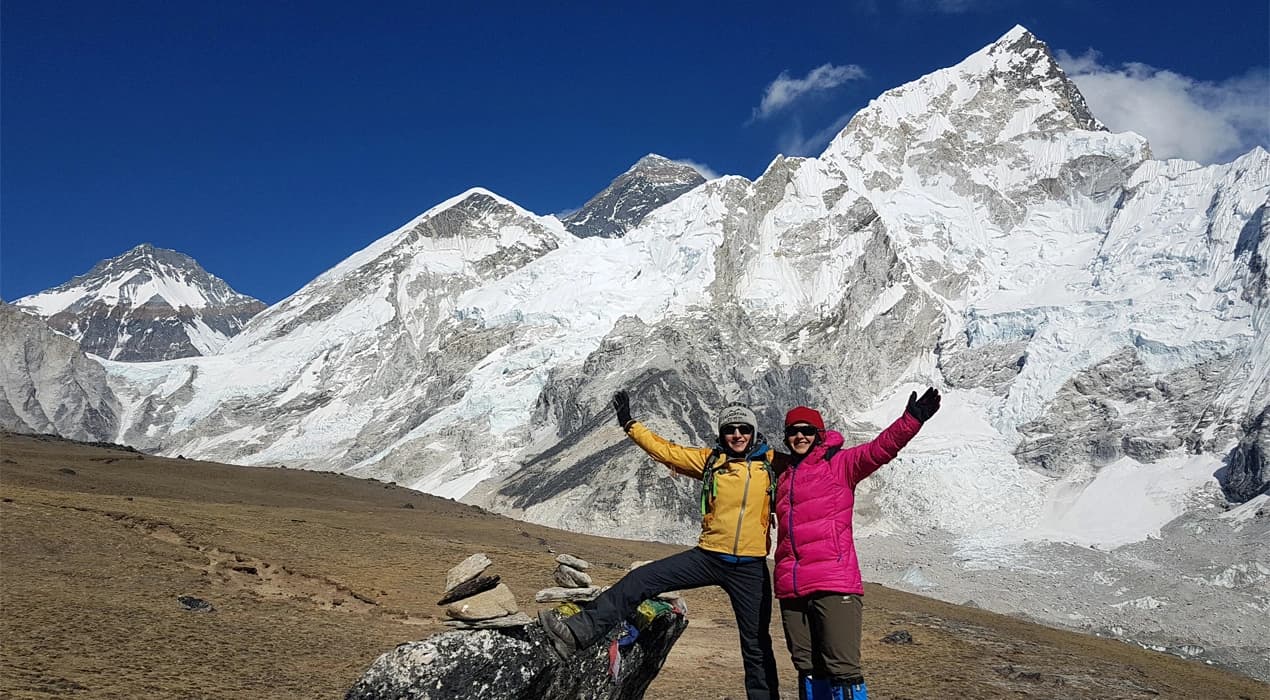
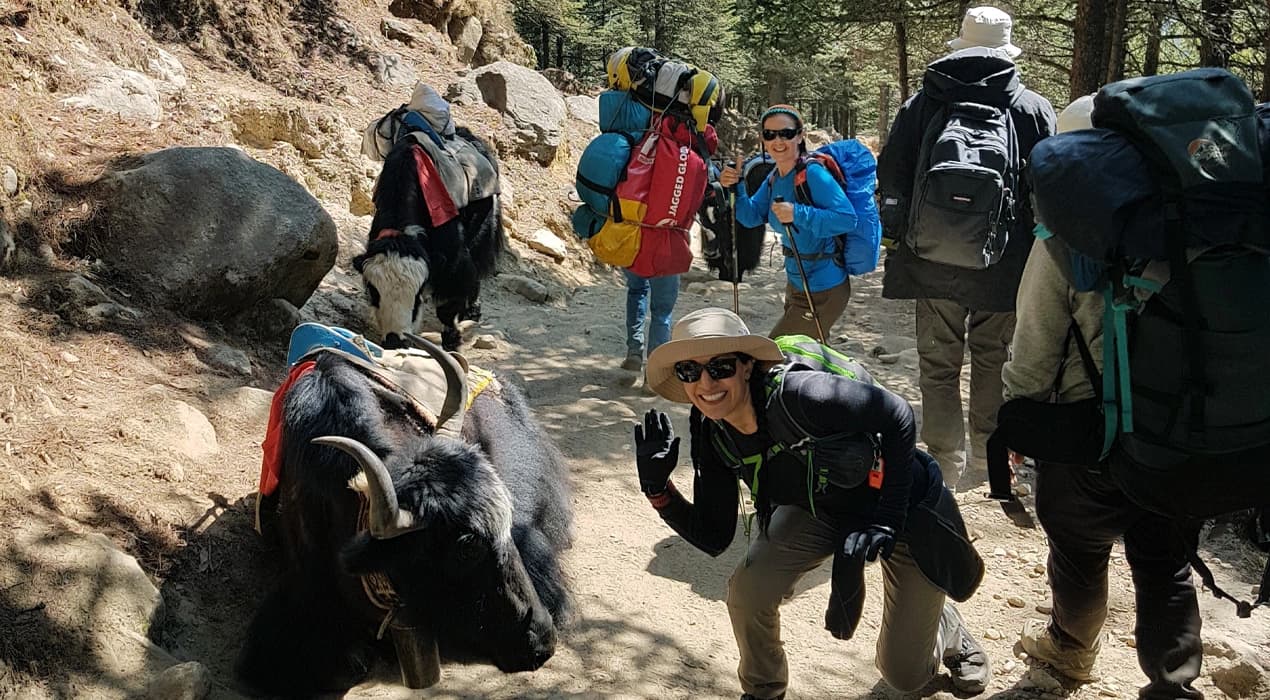
Book the Sherpa Nepal Everest Base Camp Trek at 1730 $ for 14 days itinerary. Lukla to Lukla trek distance for EBC is 130 kilometers.
- DestinationTrekking in Everest
- Group TypeFeatured !
- Activities Guided Trekking
- Accommodation Guest House
- Max. Elevation5,545 Mm.
- Group SizeMin. 1 to 30 Pax Pax
- Vehicle Domestic Flight
- MealsBLD
- Total Duraton14 Days
- Trek Duration12 Days
Everest Base Camp Regular Trek Highlights
14 days Everest Base Camp Regular Trek Overview
Imagine walking on the trekking route hand in hand with serenity through Sherpa villages and waking up to see the golden sunrises spilling across the snowy white mountains! Up in the mountains, where the tallest mountain of the world dares to kiss the sky forming a spectacular horizon, lies a trail built by legends and whisper of Himalayas. The Everest Base Camp Trek in Nepal is not just a walking journey; it is a momentous travel tale written in snow and stone once trekked by Sir Edmund Hillary and Tenzing Norgay. It is an emotion where every heartbeat echoes with adventure into the soul of the mountains.
The trekking trail to the Everest Base Camp (5364 m) is the place where your spirits soars higher than Everest itself. Relish the mountain solitude at an abode of the world’s tallest mountain Mt. Everest. The Nepal Trekking Rangers invites you with open arms to chase the thrill of the world’s tallest mountain Mt. Everest.
Everest Base Camp Trek Cost and Itinerary 2026 – 2027
The journey of the Everest Base Camp Trek is an ultimate trekking adventure towards the base camp of Mt. Everest. It is never a cheap travel adventure rather a sumptuous voyage! The cost of the Everest Base Camp Trek in Nepal ranges from 1600 $ to 2500 $ for standard package according to the preferences of trekker and number of days. The remoteness of the places makes it expensive and the addition of amenities may increase the cost of the Everest trekking. Travelers can get different types of itineraries for EBC Trek. You can enjoy the flexible trekking itinerary prepared by the travel planners of the Nepal Trekking Rangers. 12 to 18 Days itinerary are available for travelers to choose according to their trekking styles and preferences.
The trek route traverses through villages like Phakding, Namche Bazaar, Tengboche, Dingboche, Lobuche and Gorakshep before reaching the Everest Base Camp. In between these villages, trekkers spend two days as acclimatization rest days. These acclimatization activities help to properly adjust to the demands of high – altitude places. Hike to the Everest View Hotel and Nagarshan Hill Hike are two acclimatization activities. The first acclimatization hike prepares body for places below 4000 m altitude and the second acclimatization prepares body for trekking above 4000 m altitude.
Trekking Distance from Lukla to Everest Base Camp
The total trekking distance from Lukla to Everest Base Camp including Kalapathar (5545 m) hike is about 65 kilometers. The round trip of the Everest Base Camp Trek is about 130 to 135 kilometers. It depends upon the trekking route taken by the trekkers. There are many trekking routes to reach the Everest Base Camp. However, the standard EBC Trek route distance is 130 kilometers with Lukla as trailhead and trail end.
Latest Lukla Flights Information
Lukla is the gateway to Everest. After the opening of the Tenzing Hillary Airport in Lukla, the trekking scenery changed drastically in the Everest Base Camp trail. The airport increased the number of trekkers trekking in the trail. The airport is both boon and curse to many trekkers. Flight to Lukla has reduced the number of trekking days but it gets cancelled lot of times due to bad weather. The mountain weather around Lukla is very unpredictable.
During the peak season, trekkers have to use the Lukla Flights from Manthali Airport Ramechhap instead from the Kathmandu Airport. In order to maintain the flights demands, airlines companies run flights from Manthali airport. Many flights are possible from in short flying window while operating flights from Ramechhap instead of Kathmandu.
How to safely trek to Everest Base Camp?
Safety is the biggest concern. The trekking itinerary of the Everest Base Camp Regular Trek knitted by the travel planners of the Nepal Trekking Rangers consist of enough acclimatization breaks and scientific trekking styles. Our trekkers are never in rush to complete the trek. Overnight camps are placed strategically to allow less tiring trekking activity with enough acclimatization side trips. The tired bodies get enough recovery time every day even if they walk for about 5 to 6 hours in an average. Therefore, adopting the uniform pace and following proper acclimatization activities is the best tip to safely trek to Everest Base Camp.
In addition, travelers should stay hydrated all the time and they must eat belly full of soupy meal. Always inform your trekking guide or leader about your conditions. Our trekking crew members always check the heartbeat, oxygen level, blood pressure, and basic physical observations every evening in the tea house. Therefore, almost all trips with us have high success rate.
Can I book helicopter flight from Everest Base Camp?
Yes, it is possible to book the helicopter flight to return back to Lukla or Kathmandu from Everest Base Camp. Please note that, you may not get chance to fly back directly from Everest Base Camp. Trekkers have to trek back to Gorakshep before boarding helicopter flight to Lukla. It costs extra. If you wish to return by helicopter then contact our travel planners. We have the Short Everest Base Camp Trek with Helicopter Return package.
Side Trips from Everest Base Camp Trail
The Everest Base Camp Trek route is at the heart of the Everest region. Most of the trekking trips in the region are from the EBC Trek route. The most popular side trips possible to do from the Everest Base Camp Trail are Three High Passes Trek, EBC Chola Pass Trek, Gokyo Lake Trek, Amadablam Base Camp Trek, Khumjung Khunde Hike, etc.
Besides trekking, there are many activities that you can do in the Everest Base Camp Trekking route. Book your trekking trip during the Mani Rimdu Festival and participate in this grand celebration of the Sherpa people in Tengboche Monastery. Every year, the Pasang Lhamu Rural Municipality organizes the Everest Marathon on Everest Day. This is the high altitude marathon which you may participate.
Nowadays, you can find one interesting adventure sports activity in the foothill of the Namche Bazaar in the Hillary Twin Bridge over the Imja River near confluence with Dudhkoshi River. On the way to Namche Bazaar, the famous Hillary Twin Bridge operates the adventurous Everest Bungee. It is not included in the trekking itinerary but this amazing adventure sport activity can be done while returning back from the Everest Base Camp. The adventure filled bungee jump from the suspension bridge over the Imja River near the confluence with Dudhkoshi is truly spectacular.
Summary of Itinerary
|
Days |
Activity |
Elevation |
Time Duration |
|
01 |
Arrival at Kathmandu |
1320m |
—-- |
|
02 |
Fly to Lukla (or drive to Ramechhap and fly) and trek to Phakding |
Lukla (2846 m), Phakding (2620 m) |
25-minute flight + 3-hour trek |
|
03 |
Trek to Namche Bazaar |
3440m |
6-7 hours |
|
04 |
Acclimatization Day: Syangboche, Everest View Hotel, Khumjung, return to Namche |
Syangboche (3780 m), Everest View Hotel (3880 m), Khumjung (3790 m) |
5-6 hours |
|
05 |
Trek to Tengboche |
Tengboche (3860 m) |
Approx. 5 hours |
|
06 |
Trek to Dingboche |
Dingboche (4410 m) |
Approx. 5 hours |
|
07 |
Acclimatization Day: Nakartsang View Point (5083 m) |
Nagarshan View Point (5083 m) |
5-6 hours (up and down) |
|
08 |
Trek to Lobuche |
Labuche (4940 m) |
Approx. 5 hours |
|
09 |
Trek to Gorak Shep, visit Everest Base Camp |
Gorakshep (5140 m), EBC (5364 m) |
3 hours trek to Gorak Shep + 4 hours to EBC and back |
|
10 |
Trek to Pheriche, early morning visit to Kala Patthar |
Kala Patthar (5644 m), Phiriche (4371 m) |
4 hours (Kala Patthar) + 7-8 hours trek to Phiriche |
|
11 |
Trek to Namche |
Namche (3440 m) |
Approx. 7 hours |
|
12 |
Trek to Lukla |
Lukla (2846 m) |
Approx. 7-8 hours |
|
13 |
Fly back to Kathmandu or Flight to Ramechhap; drive back from Ramechhap |
Kathmandu (1320 m) |
25-minute flight or 5-6 hours drive |
|
14 |
Departure from Kathmandu |
Kathmandu (1320 m) |
—--- |
Everest Base Camp Regular Trek Itinerary
On your arrival at the International Airport of Kathmandu, Nepal Rangers Trekking staff will make you experience an airport pickup and drop you off at your hotel. First, check into the hotel, freshen up, and then rest for a while.
If time allows, go for a stroll around the streets of Thamel and enjoy the local market. In the evening, a small meeting will be arranged where you will receive further information related to the trek by our company. Meet with your guide,e, and if you have any doubts regarding the trek, you can ask and interact with each other.
Have a wonderful dinner at your hotel and prepare for tomorrow's trip.
Next morning, check in early to the airport, where you will fly to Lukla, then fly about 25-35 minutes basking in great views of the Himalayan range and nearby hills. Meet your porter in Lukla and trek onwards to Phakding. The way branches towards the treasure where you are going to encounter some of the prettiest villages of Sherpas, and thrilling views of surrounding mountains.
Phakding will certainly provide an opportunity for you to sample the village, relax, and enjoy the views. Also, a good opportunity to enjoy local hospitality and traipse the exotic Nepali dishes.
Note: This would be for traveling to Ramechhap. It takes more or less about 4-5 hours to travel by road, and from there, you can catch a flight to Lukla. Sometimes, this route can be more reliable depending on the weather conditions in Kathmandu.
You will wake up and enjoy a superb breakfast in Phakding. Soon after that, trekking starts toward Namche Bazaar. The path runs beside the Dudh Koshi River, and you will have to pass a few suspension bridges, including one having fine views of the peaks in the vicinity. Views of peaks like Thamserku would be available with the trail.
As you progress, there will be pronounced climbing as well as flat sections and uphills. You will cross a few-minute Sherpa villages and taste some of their local culture and traditions. After a few hours of hiking, when you arrive in Namche Bazaar, you will find quite a bustling market town with plenty of shops, cafes, and guesthouses.
Such a great vibe is both local culture and the melting pot of trekking tourists. Spend some time not only here but also at the local bakers for a treat and admire the surrounding peaks, especially the beautiful Ama Dablam.
Today is the very first acclimatization day in the Everest Base Camp Regular Trek, a special day to rest your body and enjoy a little nature. Have breakfast at Namche Bazaar, and for today, take a short hike up from Namche. Perhaps walk up to Syangboche, giving you some mind-blowing views of the gorgeous surrounding mountains and valleys. Look out for some of the local wildlife and beautiful flora as you walk. After this, you can go and visit the Everest View Hotel, which is about 30 30-minute walk from Syangboche. The Everest View Hotel is one of the highest-paid hotels in the world and has mind-shattering panoramic views from the area around Everest.
After the views, one could hike back to Syangboche for lunch at a local teahouse or perhaps pack a lunch to enjoy while soaking in the beauty of the mountains. And again, go enjoy a short walk to Khumjung Village, about an hour from Syangboche. In Khumjung, the Khumjung Monastery can be visited. There, one will see the famous Yeti scale and learn about Sherpa culture and tradition. A territory known for its rich heritage and the school established by Sir Edmund Hillary.
Then you can go back to Namche and take things slowly as you pass back through all those scenes. Visit Namche Bazaar and enjoy the mountains. Now enjoy that meal at the tea house before preparing to meet what the next day will bring.
This day is marked by your journey from Namche to Tengboche. Really a fantastic trek this will be. Dudh Koshi crosses where all wonders sit beneath those breathtaking landscapes. The settlement of Kyangjuma will be crossed again without stopping but just gazing with the mind very quickly, grabbing drinks and snacks from tea houses. On such a long walk of 3-4 hours, you will arrive at Phunki Thunga, where the trail descends to the river and then rises to Tengboche.
Upon reaching Tengboche, having that fantastic view of the wonderful Tengboche Monastery, sometimes referred to as Dawa Choling Gompa. This is the largest in the Khumbu monastery in the whole of Khumbu. The monastery is wonderfully set against the backdrop of the Himalayas. It has very wide panning around the place that includes Everest, Lhotse, and Ama Dablam. It is a perfect photography spot.
Will check into a local tea house or lodge for overnight accommodation. Relish the warmth and hospitality of the Sherpa people.
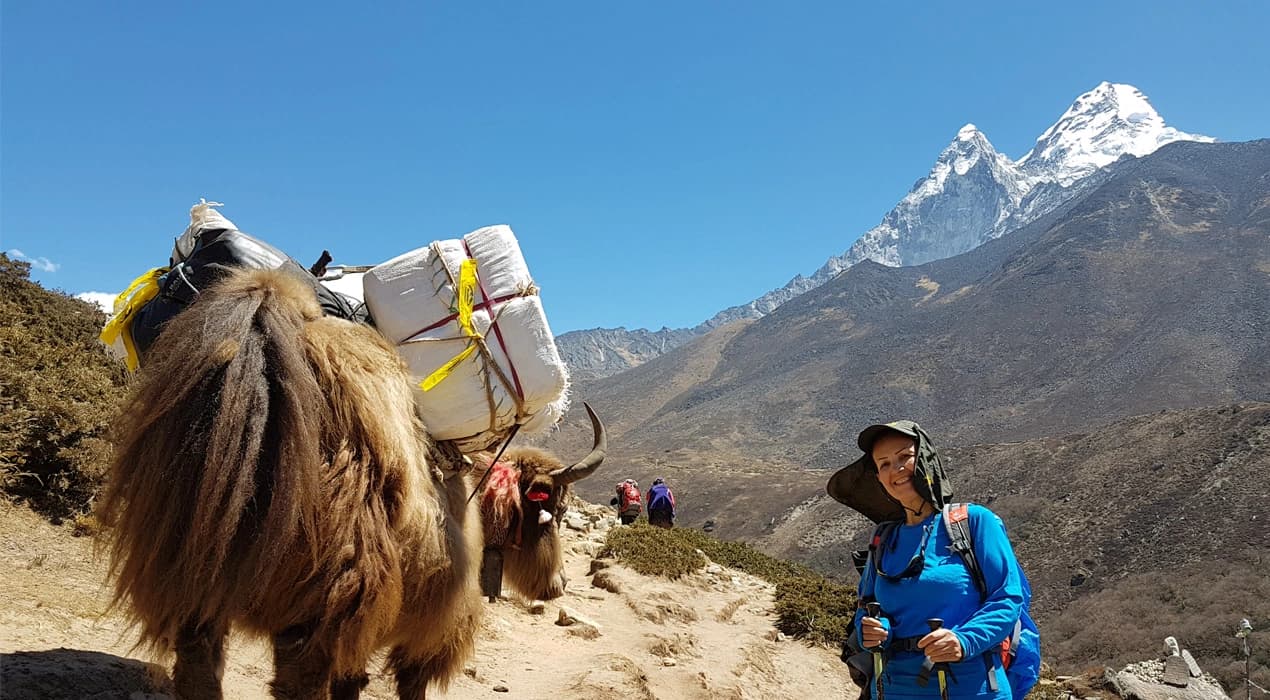
Today's trekking path leads through a rhododendron forest and Imja Khola. This trail is scenic, with the ever-present flair of Ama Dablam and other peaks. After walking for some hours, the traveler arrives at the village of Pangboche, the highest permanent settlement out here. One can make a stop here and possibly visit the Pangboche Monastery, famous for its historical value and lovely views. Although the trail is gentle, you start to feel the altitude since the gain is gradual.
The stunning scenery will welcome you with Dingboche, exalting the impressive Island Peak (Imja Tse) in the midst. It is a prosperously rustic village relative to Namche and Tengboche. Spend some time wandering the area, visiting some farms, and appreciating the resultant landscape.
Another acclimatizing day of EBC Regular Trek. Big breakfast in your tea house, and you get ready with all your equipment necessary for the hiking expedition and start heading up to the Nakartsang Viewpoint. Usually takes about 2-3 hours to reach the top, depending on how you do it.
At first, the trail gradually ascends for a while and becomes steep as you approach the viewpoint. Some rocky terrains would pass that way and watch you step over loose stones at some sections of the trail. The hike itself has amusing views all along the way, showing you sometimes the gorgeous mountains and valleys around you. It is the ideal opportunity to experience the beauty of Khumbu while also enjoying fantastic scenic panoramic views. Some of these would be The great Ama Dablam, Island Peak, and far-away mountain peaks of the Everest massif, besides the beautiful landscapes of Imja Valley, where there are small settlements and terraced fields scattered across.
After a while, you will slowly descend and enjoy some change in perspective of the landscapes. Rest when you get back to Dingboche; drink and rest well. Resting is necessary for acclimatization. Then enjoy dinner in your teahouse and share the day's adventure with other trekkers.
Wake up to an energizing breakfast in the tea house at Dingboch and start his trek by taking the path up Imja Khola Valley. Many small settlements and fields will glide before the eyes with beautiful surrounding peaks. After walking for 2-3 hours, you will reach a tiny village called Dughla, after which the path climbs up a steep ridge marked by memorials established for climbers who lost their lives in the Everest region.
The memorials are visited and continue onward to Lobuche. The trail is progressively heading upward, with marvelous views of the Khumbu Glacier. Reach your tea house/lodge upon arriving at Lobuche. It is a smaller and less developed place as compared to the other stops but still serves as an essential point for travelers heading to Everest Base Camp. Enjoy your dinner and rest your body.
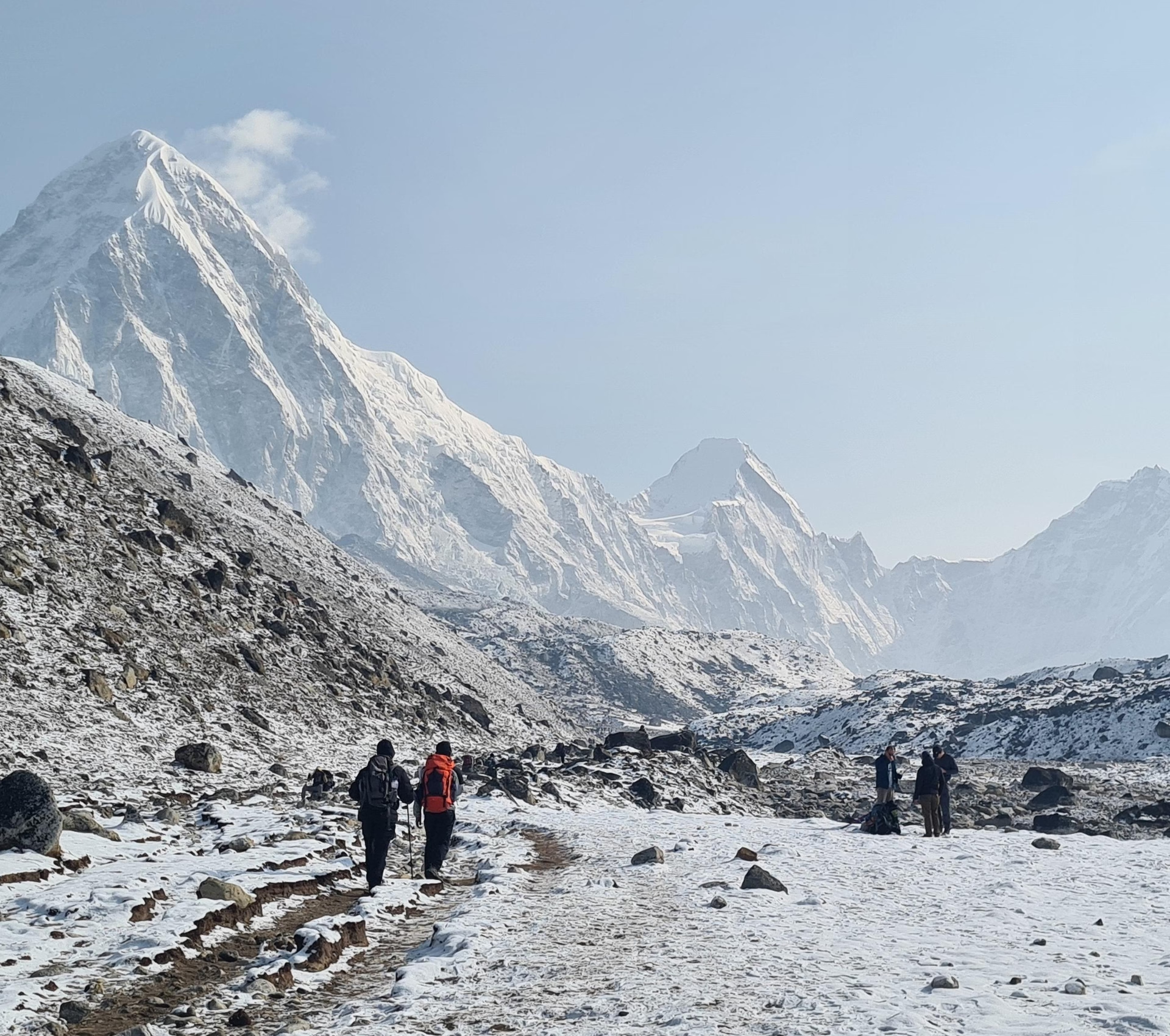
Have a nice hearty breakfast in your teahouse in Lobuche. After having breakfast, take a steady and long ascent from Lobuche to Gorak Shep, while walking along the Khumbu Glacier, which gives extremely panoramic views of the neighboring mountains. This section, however, is uneven and rocky. After about 2-3 hours of trekking, you finally arrive at Gorak Shep. This is the last human settlement before going to Everest Base Camp. Head out after lunch to do the hike to Everest Base Camp. The Gorak Shep to Base Camp Trek takes about two and a half to three hours. The walking is relatively flat, but at times it has rocky and rough sections. The further and nearer you trek to the Base Camp, the more exciting the rocky terrain along which you walk becomes.
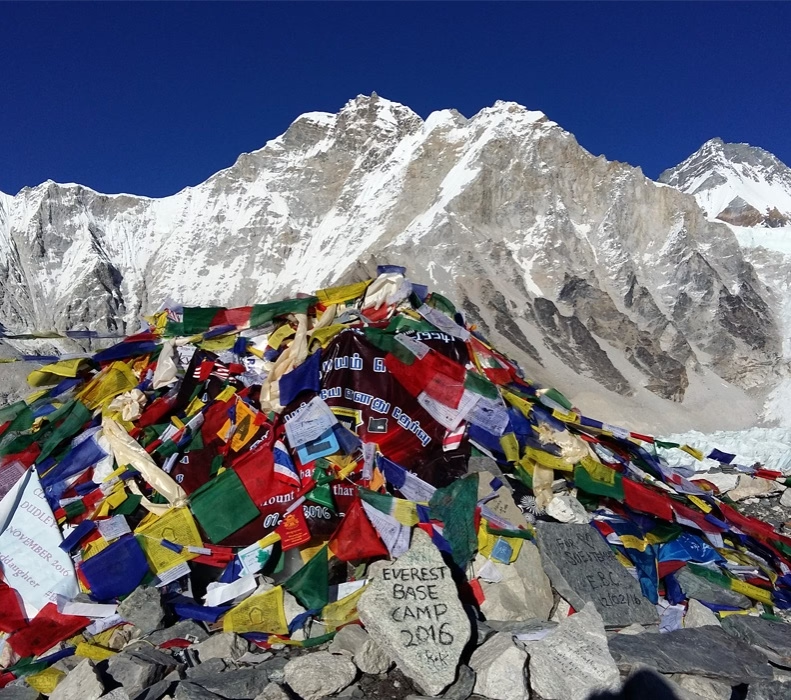
At Base Camp Everest (5,364 m / 17,598 ft), take some time to suck in air that is filled with quite an atmosphere and enjoy the great views of the famous Khumbu Icefall. For most trekkers, it would mean one huge leap since it places you at the feet of the highest mountain on this planet.
Following a stay at Base Camp, one tends to head back to Gorak Shep. The descent has to be undertaken very carefully as the rocky terrain for the most part carries. Royale feast in your teahouse on your return to Gorak Shep, boasting some of your experiences at Base Camp with a few of your co-trekkers.
Get up early at around 4:30 AM so you can begin your trek to Kala Patthar. When you are here this morning, warm clothes are a must. Hiking to Kala Patthar takes about 1.5 to 2 hours on average. The path is steep, and so one feels a little altitude affected, so just go easy. Arrive just on time on the top of the kala Patthar when the sun rises. Mount Everest looks beautiful with all Its nearby peaks. Take many pictures and enjoy the nice scenery. The best part of the region is to capture Everest and Khumbu area.
Back down, then it's off to Gorak Shep for some food and to collect your things. Arrive at Pheriche, a tiny village that boasts some of the finest views and a handful of teahouses. Here, the altitude is lower than that of Gorak Shep, aiding acclimatization. Have some downtime and simply lurk about Pheriche.
Celebrate a warm dinner at your teahouse, and rest.
Breakfast in Pheriche--descend from Pheriche, following the way you took on the way up. The descents will welcome travelers to the lush-level forests with their beauty as well as quaint villages. Take a rest at Dingboche for more pictorial views of nature.
It will be an easy trail at first with a descent downward toward the Dudh Koshi River, then steeply uphill to Namche. At Namche Bazaar, check into the tea house and unwind.
Have a hot dinner and get in touch with the locals.
Going back in descent from Namche Bazaar does not mean that one retraces the footsteps along the earlier passage, instead, now you can take the same trail downwards. The well-maintained trail is aptly decorated with interesting views of beautiful valleys and high mountains. During the descent, following the same suspension bridges over the Dudh Koshi as before, you listen closely to the rushing water beneath your feet. You get to Phakding and move towards Lukla.
Once you reach Lukla, check in to the teahouse and enjoy some relaxing and freshening up. In case you feel like walking around the village, you can do so. Hot meals are served at night, and then it's time to rest.
The next day, take a flight from Lukla back to Kathmandu. Take a view of it from the flight. When arrive in Kathmandu, transfer to the hotel for a free moment. See local markets in the evening and consider dining at some local restaurants. Alternatively, one could drive to Ramechhap to fly to Kathmandu.
To this end, Lukla must leave by about dawn, as it will take around 4-5 hours to reach Ramechhap. On arrival, check-in for a flight back to Kathmandu.
Relish the free breakfast at your hotel and get out. Pack all the belongings neatly and get them ready for departure. You can just explore other parts or Thamel if you want some last-minute shopping. It can be for souvenirs, trekking gear, or local handicrafts.
Depending on your flight, our staff will drop you off at the airport three hours before your time. It's a really sad departure day leaving such heavenly mountains behind, but it takes away some sweet memories and experiences with it.
If the provided schedule isn't suitable for you, we are able to create personalized travel arrangements according to your preferences and requirements.
Choose Your Package
US $1115per person
Best Price GuaranteeTaxes Included
(Guide. Porter. Permits. Transportation. Accommodation)
Cost Includes
Transportation
International/Domestic Airport pick up and drop with Private Vehicle with A/C as per Group Size
Domestic Round-Trip Flights (KTM-LKL-KTM) OR (RAMECHHAP-LKL-RAMECHHAP)
Drop and pick up from and to Ramechhap by private vehicle as per group size If Flights schedule via Ramechhap
Accommodation
2 Nights Accommodation at Tourist Standard Hotel or Boutique in KTM with Breakfast
11 Nights Accommodation along the trek (Basic and normal accommodation in Guest Houses or Tea Houses and Attached bathroom in Lukla/Phakding/Namche-3 Nights)
Food/Drink/Snacks
Not Included
Permits and Expenses
Sagarmatha National Park Entry Permit
Pasang Lhamu Rural Municipality Permit
All Local Government Taxes and Official expenses
Guide and Porter
Government Register Licensed holder Guide with fluently speaking English Language
An Assistant guide each 7 Trekkers
A porter for each 2 clients (20 KGs limit weights for a Porter)
Covers their (guide and porter) wages, meals, hot drinks, accommodation, transportation, insurance and necessary trekking gears)
Souvenir or Complimentary
Nepal Trekking Rangers Company’s T-shirt/Cap/Buff
Trekking Route Pocket Map
Benefits
NTR’s Duffel Bag each client (return basis)
Sleeping Bag and Dawn Jacket (return basis) If you require
Cost Excludes
Entry Regulations and Visa
International Flights Fare
Nepal Entry Fees (15D-$30, 30D-$50 and 90D-$125)
Accommodation
If you stay more than 2 nights in Kathmandu
Extra Nights even you return early with any Reasons such as AMS, Illness and any reasons of clients
Food and Drink
All Food and Drink (Breakfast Included)
Tips
Guides and Porters as gratitude
Travel Insurance and Expenses
Travel Insurance covers emergency High Altitude Rescue/Evacuation (upto 6000m)
Personal Transportation of ground and Air both
All soft and hard drinks, All hot drinks in pot size or above 4 cups a day, Snacks, extra Chocolate bar
Sanitary material such as wet wipe tissues/toilet paper
Hot Shower/hot or boiled water, Wifi, Battery Charge
Hot bag during the nights
Shopping/Souvenir for family and friends
All the extra things/expenses which has not included in the list
Dates & Prices
Your private Everest Base Camp Regular Trek begins in Kathmandu and ends in Kathmandu, covering 14 days of adventure.
Private departures run on any date you choose, for groups of 1–30, for a personal and flexible experience.
Private Group Deals
| 1 Person | US$1,510 |
| 2 - 6 People | US$1,170 |
| 7 - 14 People | US$1,150 |
| 15 - 30 People | US$1,115 |
Know Before You Go
FAQs
Traveller Review
 5.0 Rating out of 5 based on 1850 Reviews
Trek with Nepal Trekking experts if you are going to Nepal!
I just finished the Everest Base Camp trek with Nepal Trekking Rangers and would 100% recommend them to anyone coming to Nepal.Yuddha, the owner, is a true professional. From the beginning when I contacted him, he was super responsive and able to provide advice on which trek was best. Whenever I had follow-up questions, he would always respond the same day. They also operate with the utmost integrity. Originally, I was meant to trek with them in 2020, but this was cancelled because of Covid. Yuddha reminded me that I had paid the deposit five years ago (which at the time I had told him to hold on to) and took that off the price — I had completely forgotten.They gave me a warm welcome at the airport as soon as I arrived, and Yuddha met me at my hotel to make sure I had the correct kit, even providing me with things I didn’t have free of charge.On the trek itself, Yuddha was our guide — so knowledgeable, fun, and spoke great English. Every time I asked him a question about the mountains or region, he had an answer. All the tea houses booked were great and had good food. In the evening, he would play cards with us, and if we ever needed help with anything, he was always on hand.Words can’t describe the views you see on this trek — we were completely surrounded by the mountains. Yuddha also made sure we went at a sensible pace to avoid any risk of altitude sickness and to ensure we could take it all in.Overall, it was an experience of a lifetime, and next time I am back in Nepal, I will be trekking with Nepal Trekking Rangers.Thanks so much, Yuddha! 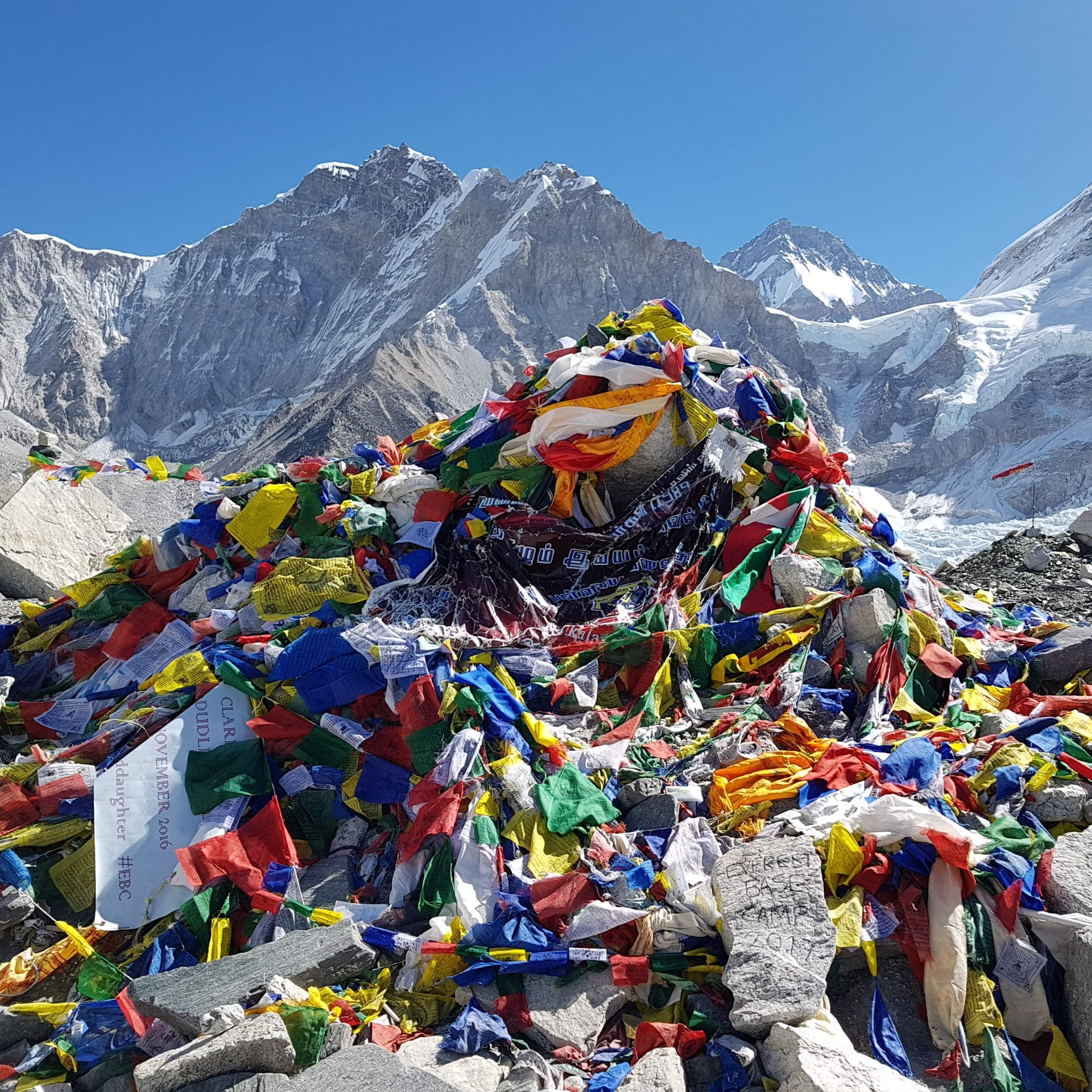
Eoin W 18th Jun, 2026 Highly recommend
I had an amazing experience trekking in the Everest region with Nepal Trekking Rangers. What truly made this journey special was Yuddha. I first met him as a customer during the trek, and by the end of the trip, we had become friends.Yuddha was incredibly supportive, knowledgeable, and attentive throughout the experience. Even after the tour ended, he continued to check in and offer extra care and help, which really meant a lot. His information, guidance, and genuine concern made the whole trip smooth and memorable.He is a truly nice guy—down to earth, mellow, and easy to be around. You can tell he genuinely cares about his clients and his work. I highly recommend Nepal Trekking Rangers and especially Yuddha to anyone planning a trek in Nepal. I sincerely hope his business continues to grow strong—he deserves it. 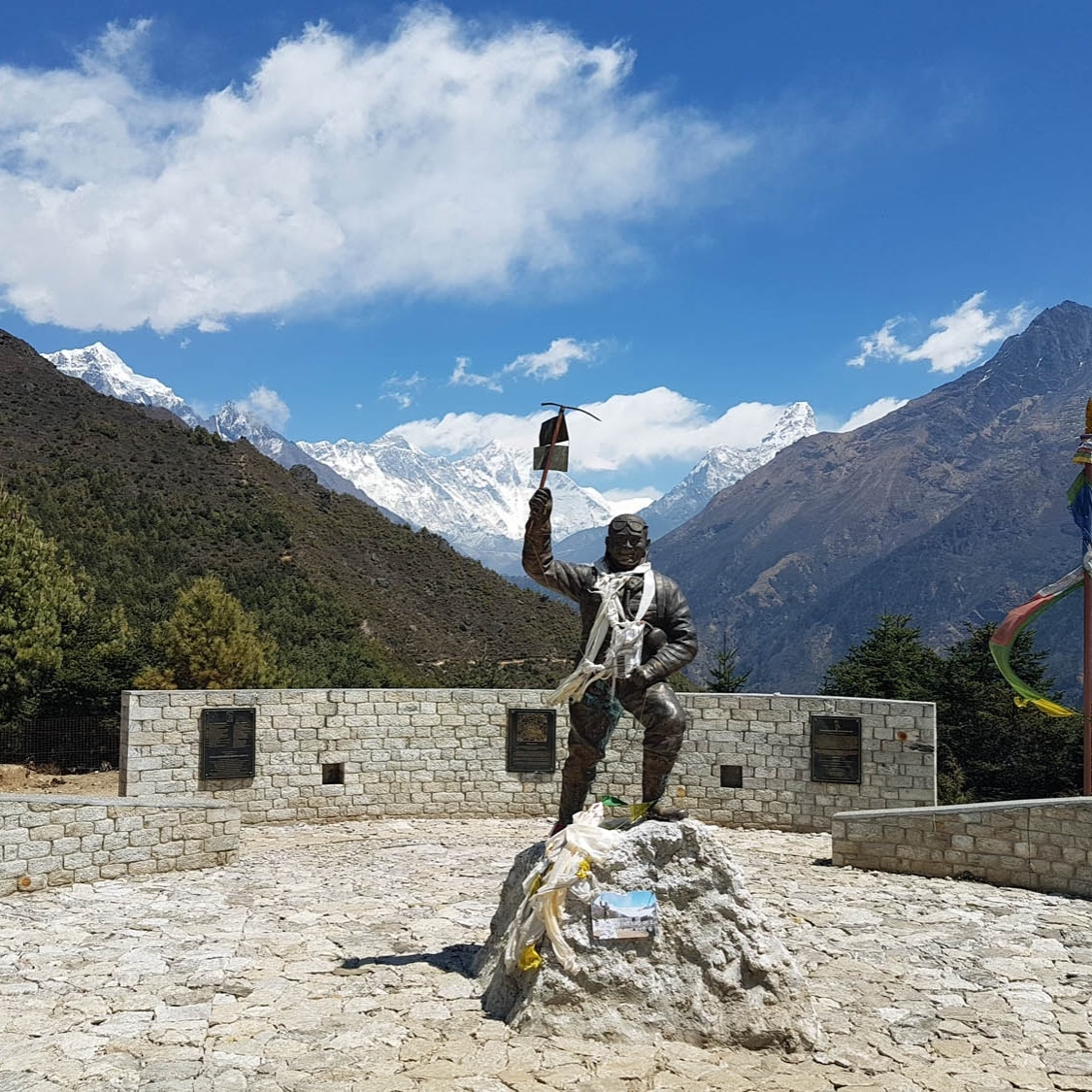
Tia 15th Oct, 2025