
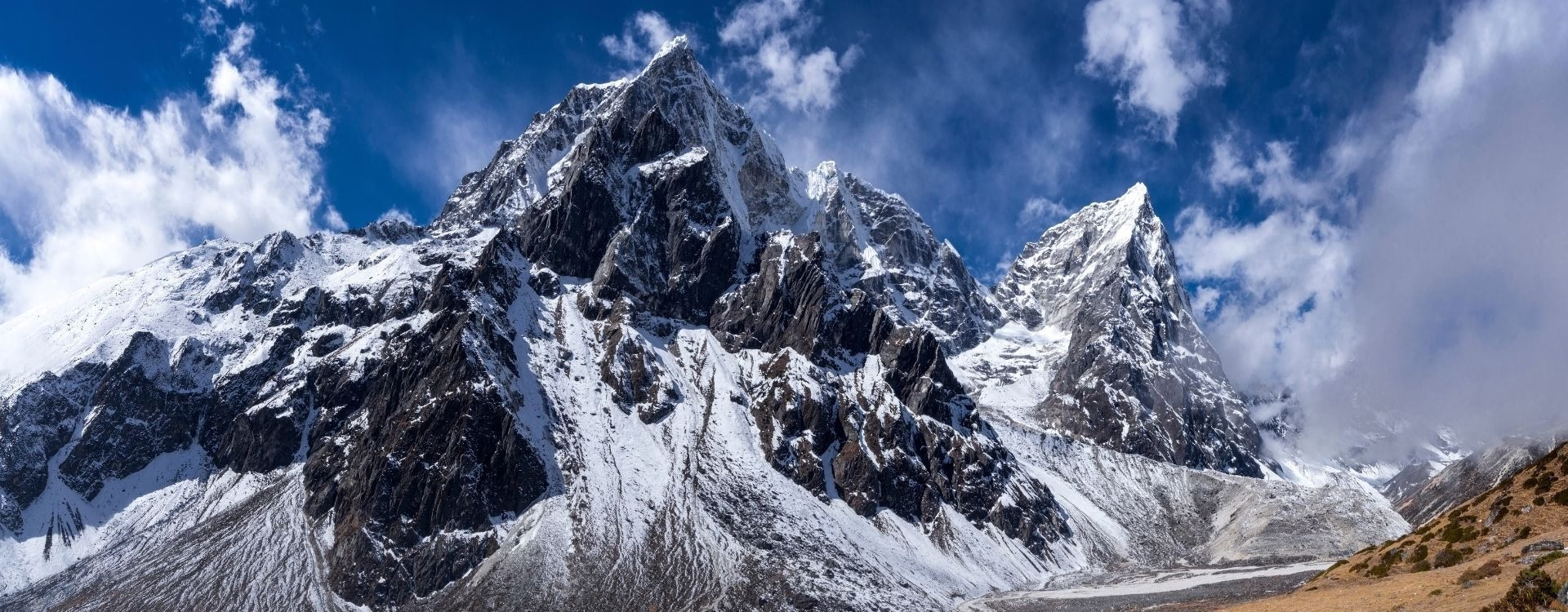
The Everest Base Camp trek is physically demanding because of its altitude, long walking days on mountain trails, and changing weather conditions. Many physically fit and well-prepared trekkers can complete this trek without technical climbing skills. You will be walking for several hours, gradually gaining elevation, and dealing with thinner air, which makes trekking difficult.
Is the Everest Base Camp Trek Hard?
The Everest Base Camp trek will test your legs and lungs, but you don’t need to be an experienced mountaineer to reach the Base Camp. On many trekking days, you’ll walk for 5 to 7 hours in the Everest region. The walking duration, altitude gain, terrain, weather conditions, and mental endurance make it difficult.
Factor | Difficulty |
Altitude | Challenging |
Overall Difficulty | Moderate to Challenging |
Physical Demand | Moderate to Challenging |
Terrain | Moderate to Challenging |
Daily Walking | Moderate to Challenging |
Technical Climbing | Not Required |
Weather | Changing |
Mental Endurance | Moderate to Challenging |
Acclimatization | Essential |
How Hard Is the Everest Base Camp Trek
If you regularly hike, exercise, are comfortable with long hours of trekking, and are mentally and physically fit, you may find the EBC trek manageable with proper preparation. Being comfortable with long walks and sustained uphill and downhill sections can make a significant difference during the trek.
Walking for long hours for several days above 4,000 m demands more physical effort. As you gain altitude, the air becomes thinner, making a moderate trek challenging. Ascent, descent, uneven mountain trails, and cold temperatures add to the difficulty of the trek.
Generally, the standard EBC trek is not technically challenging because it does not require mountaineering or climbing skills. The actual challenge is long days of walking while dealing with increasing altitude, changing weather, and uneven mountain trails.
Typical EBC Trek Elevation Profile
The route involves both ascents and descents as you approach the EBC. The trek starts in Lukla, then continues to Phakding and Namche Bazaar. From there, trek toward Tengboche, Dingboche, Lobuche, and Gorak Shep before reaching Everest Base Camp, the ultimate destination of the EBC trek. You’ll also hike to Kala Pathar to witness the breathtaking beauty of the Himalayas before descending toward Lukla.
Trekking Route | Starting Elevation | Ending Elevation |
Lukla to Phakding | ~ 2,840 m | ~ 2,610 m |
Phakding to Namche Bazaar | ~ 2,610 m | ~ 3,440 m |
Namche Bazaar to Tengboche | ~ 3,440 m | ~ 3,860 m |
Tengboche to Dingboche | ~ 3,860 m | ~ 4,410 m |
Dingboche to Lobuche | ~ 4,410 m | ~ 4,910 m |
Lobuche to Gorak Shep to EBC | ~ 4,910 m | ~ 5,140 m |
Gorak Shep to Kala Patthar to Pheriche | ~ 5,140 m | ~ 4,371 m |
Acclimatization days are very important while trekking at high elevations. Acclimatization helps your body adjust to high-altitude and reduces the risk of altitude sickness. Most standard itineraries include acclimatization days at Namche Bazaar and Dingboche. During acclimatization days, you can rest or explore nearby areas like Everest View Hotel and some other places.
Do You Need Climbing Experience?
Previous trekking experience is not required for the Everest Base Camp trek. However, experience with long-distance hiking can help you. Trekking on the Everest trail is comfortable due to well-established trekking trails. You’ll be walking on the scenic trail of the Sagarmatha Conservation Area. You do not need any mountaineering, ice climbing, or rope-handling experience.
Can a Beginner Complete the EBC Trek?
Yes, first-time trekkers can complete the EBC trek, but knowledge about high-altitude trekking is recommended. A first-time trekker who exercises regularly, hikes with a daypack, has experience walking for long days, and understands altitude gain and changing weather conditions in high-altitude regions can complete the EBC trek successfully. Good physical preparation, a gradual itinerary, proper acclimatization, and a good understanding of altitude and weather challenges are important.
Why Is Altitude the Hardest Part of the EBC Trek?
Walking for several days in high-altitude terrain adds to the difficulty of the trek. As you gain altitude, the atmospheric pressure decreases, and your body starts to struggle, making your energy drop and slowing your walking pace. Some trekkers may experience headaches, fatigue, and other altitude sickness symptoms. Physical fitness does not eliminate the risk of altitude sickness.
Proper acclimatization essential. As you gain altitude, your body needs time to rest and adapt to the changing weather. Don’t rush to reach the destination. Maintain a steady pace, take enough breaks, eat carb-rich food, and stay hydrated. If you notice symptoms of altitude sickness such as difficulty walking, confusion, or severe breathlessness, communicate with your guide, and if the situation gets worse, descending to a lower elevation is an important part of treatment.
You can train your legs and muscles for the physical demands of trekking, but it cannot make you immune to altitude sickness. So if you feel any difficulty, descend to a lower elevation and rest.
Things That Make the EBC Trek Difficult
High Altitude
Altitude is one of the biggest challenges for the Everest Base Camp trek. As you gain altitude above 4,000 m, the air becomes thinner, the temperature drops, and making difficult to breathe, lowering your walking pace. Above elevations of 4,000 m, even a normal walk feels strenuous due to the reduced oxygen available compared to lower elevations.
Long and Steep Trails
The EBC route includes several hours of walking on uneven mountain trails. The route includes several ascents and descents, rocky sections, and steep uphill and downhill sections, which makes it hard to complete. Continuous walking on this EBC trail can leave you exhausted and test your physical and mental strength.
Cold and Changing Weather
Weather conditions in high-altitude regions can change quickly. As you gain altitude, the temperature starts to drop, while strong cold winds, rain, and fog can reduce visibility and make trekking difficult. Strong winds, rainfall, clouds, and sudden weather changes can reduce visibility and make trekking more challenging.
Lukla Flight Disruption
Flights between Lukla and Kathmandu depend on the weather and operating conditions. Poor visibility, strong winds, and cloud cover affect the flight, resulting in delays or cancellations. So when planning your trek at EBC, keep some flexibility in your itinerary rather than scheduling your international departure immediately after the trek.
How Many Hours Do You Walk on the Trail Each Day?
EBC is less about walking speed and more about maintaining a sustainable pace for several consecutive days. The walking hours depend on the day’s route, your walking pace, and many other factors. Most trekking days involve 5 to 7 hours of walking on the trail. Some days are shorter, while others are longer depending on the itinerary, weather conditions, and your walking pace.
Most trekking itineraries include acclimatization days; some days you walk for long hours, whereas some days you walk for short hours. It depends on the itinerary you choose. Also, weather conditions, individual fitness level, stops, and break time determine your daily walking hours.
How to Train for the EBC Trek
You don’t need to be an athlete to trek to Everest Base Camp. Good trekking knowledge and proper training add comfort to your trek. Focus on building endurance, leg strength, hiking ability, and stamina for consecutive trekking days.
Cardiovascular Training
Build your endurance through activities such as brisk walking, jogging, cycling, stair climbing, or incline treadmill workouts. Start with regular cardio sessions and gradually increase the duration and intensity.
Strength Training
Strengthen your legs, core, calves, and glutes with exercises such as squats, lunges, step-ups, calf raises, and planks. Strong legs can help you handle the repeated uphill and downhill sections.
Hiking Training
The best way to prepare for the EBC trek is to go on regular hikes. Gradually increase your hiking distance, elevation gain, and walking time on the trail so that you become comfortable with long mountain walks.
Pack Training
Practice hiking with a daypack you expect to use on the trek. This helps you to get used to the weight, adjust the fit, and gives you ideas about weight adjustment on the trek. Start with a comfortable weight and gradually increase your daypack weight so that you can identify how much weight you can carry and walk on the trail.
How Fit Do I Need To Be for the EBC Trek?
Fitness makes the physical demands of the EBC trek easier to manage. It helps you handle your physical workload but does not guarantee that you’ll be comfortable at altitude throughout the trekking days.
If you can comfortably handle sustained uphill walking and long hours of walking for several days, you have good fitness for the EBC trek. Carrying a daypack and climbing stairs can be challenging, but proper guidance and good preparation can make this trek easier.
Who Should Think Twice Before Attempting the EBC Trek?
Trekkers who have little experience with long walks, have done minimal physical preparation, or underestimate the effects of altitude may find the EBC trek challenging. The route is not just a sightseeing walk; it requires sustained physical effort and experience walking on mountain trails.
Without experience and knowledge of trekking in high-altitude terrain, if you plan an EBC trek, think twice before making any decision. This trek is not just for sightseeing the Himalayas; you need to walk for several hours on mountain trails.
Conclusion
So, how hard is the Everest Base Camp trek really? It’s physically demanding but not technically difficult. You do not normally need mountaineering ropes or climbing skills for the standard route. The real challenges are long walking days, uneven mountain trails, cold temperatures, and above all, high altitude. With the right training, a suitable itinerary, proper acclimatization, and careful consideration of altitude-related symptoms, many well-prepared trekkers manage to complete it successfully.
FAQs
Is Everest Base Camp trek suitable for beginners?
Yes, beginners can complete the EBC trek, but proper preparation and experience of hiking for long hours is recommended.
What is the highest point on the EBC trek?
Everest Base Camp itself is around 5,364 m. If your itinerary includes Kala Patthar, the highest point is approximately 5,545 m.
How difficult is the Everest Base Camp trek compared with other treks?
The EBC trek is considered a moderate to challenging trek. The standard route does not require technical climbing experience but is more demanding than lower-elevation trekking routes.
How many hours do you walk each day on the EBC trek?
Every day is different. Some days you walk for short hours and some days for long hours. Normally, on average, you’ll walk for 5-7 hours of walking.
Do you need climbing experience for Everest Base Camp?
Normally, you do not need climbing experience. The main difficulty is walking long distance at high altitude terrain.
How fit do you need to be for EBC?
Good physical fitness and preparation are recommended. Good cardiovascular endurance and comfort with sustained uphill walking and downhill sections for long days are required.
What is the hardest day of the EBC trek?
For many trekkers, the hardest day on the EBC trek is walking from Lobuche to Gorak Shep to EBC and returning to Gorak Shep. This day is demanding because of the high elevation and long walking distance. The ascent to Kalapathar is also challenging.
How difficult is the trek above 4,000 meters?
As you reach above 4,000 m altitude, the trek becomes more demanding. Walking uphill becomes harder due to less oxygen availability, and altitude symptoms start to be noticed.
Can an unfit person do the Everest Base Camp trek?
If you are an unfit person and want to trek, prepare yourself with good physical stamina, exercise regularly, and involve yourself in hiking at high altitude and walking for long hours.
How long does it take to prepare for EBC?
A preparation period of around 8 to 12 weeks is a reasonable starting point for someone who already has a basic fitness level.
Is altitude or physical fitness the bigger challenge on EBC?
Physical fitness can help you to handle long walking days in difficult terrain, and altitude is the bigger challenge. Proper acclimatization, gradual ascent, hydration, maintained pace will help you trek smoothly on the EBC.
Can women complete the EBC trek?
Yes, women can complete the trek. The physical demand is the same for all trekkers. Good preparation and strong willingness help you to achieve the accomplishment.
How can I make the EBC trek easier?
Proper preparation, training, following the itinerary, proper acclimatization, proper hydration, and avoiding a quick walk on the high-altitude trail can make comfortable. Carry trekking poles and make your daypack lighter.
Is the EBC trek difficult in winter?
Due to cold temperatures, shorter daylight hours, and snow- and ice-covered trails, winter makes the trek challenging.