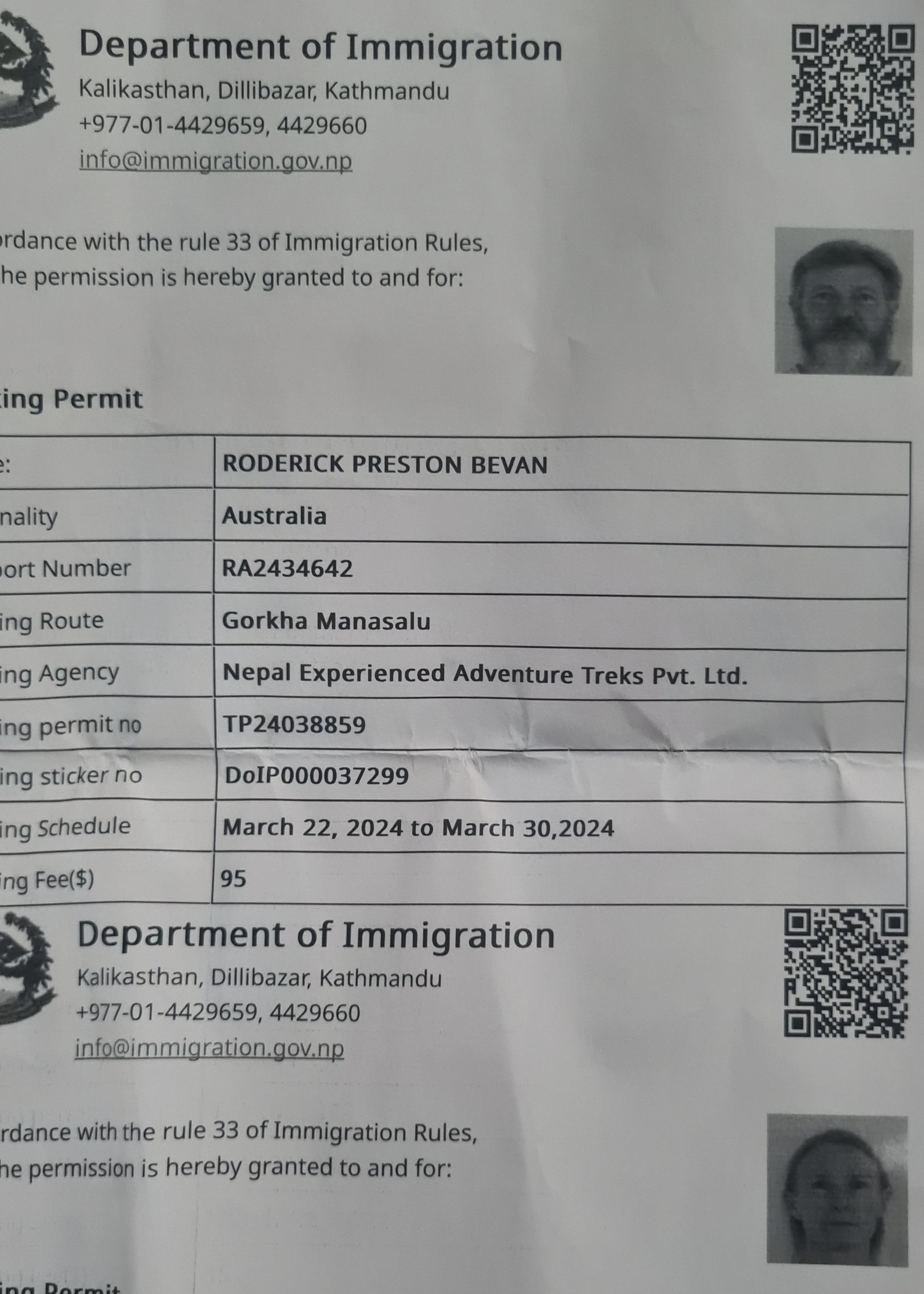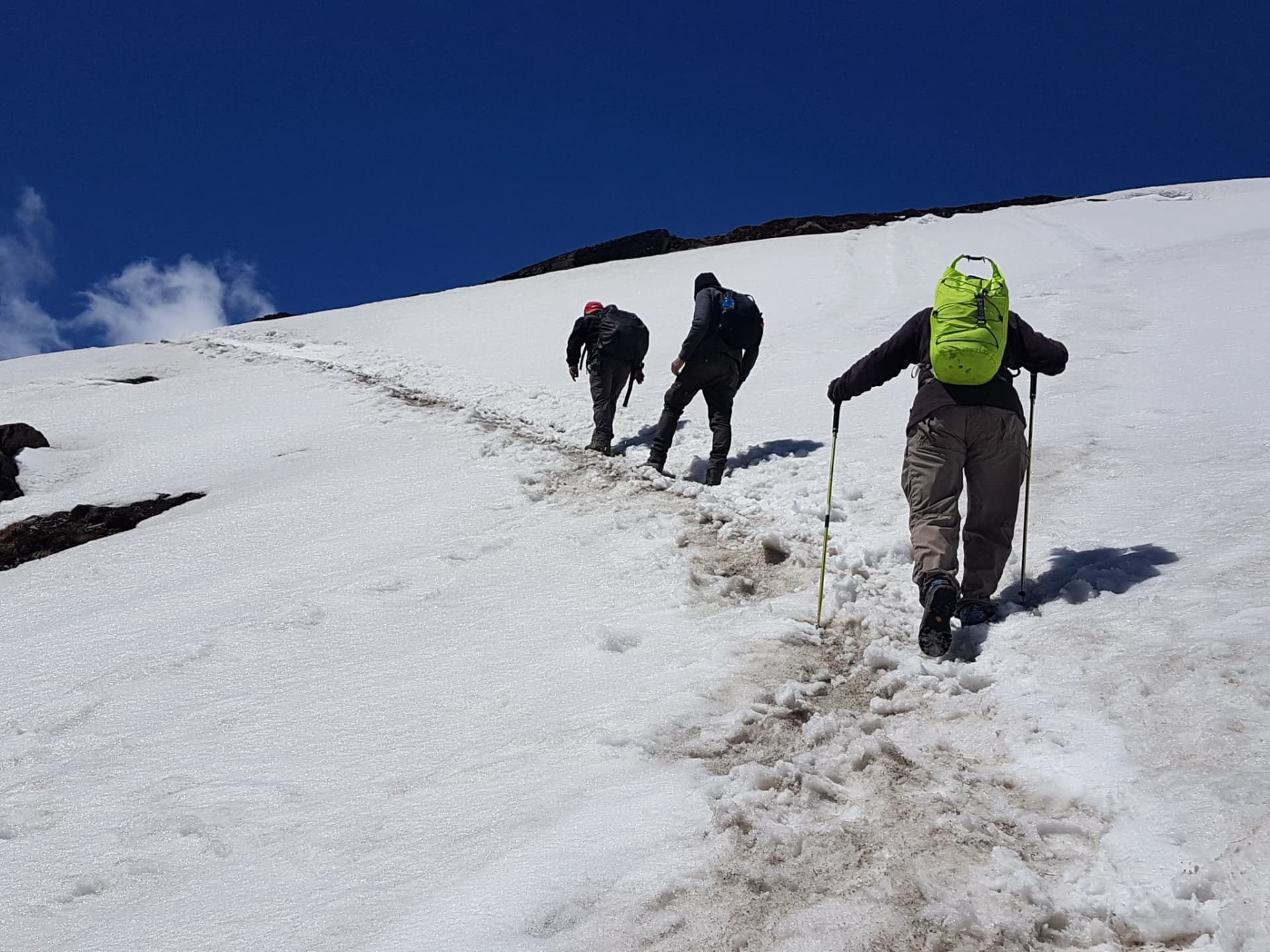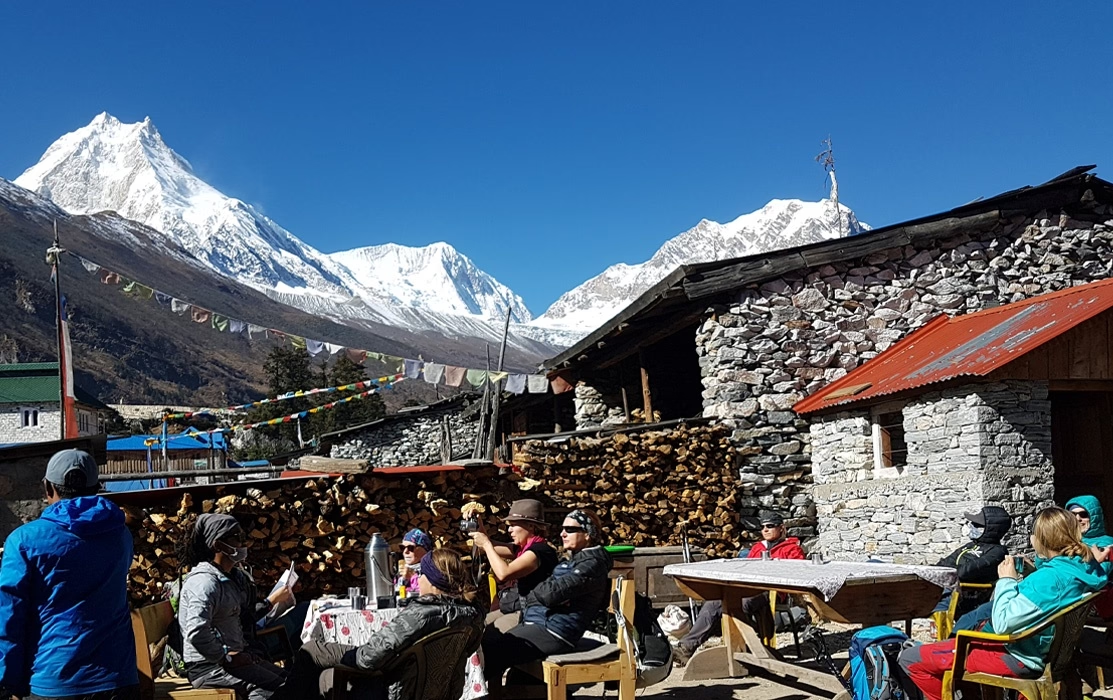
Nepal is open and safe for all! Yes, the country doesn’t follow the controlled tourism practices like in Bhutan. Therefore, everyone is welcome to this beautiful Himalayan nation. People from across the globe love to visit the country and majority of these people are here for trekking activities. There is no limit in the number of tourists but you need trekking permits in Nepal.
Any kinds of trekking activities inside the country require travelers to buy the permit. Make sure that you are trekking in Nepal with the valid documents. Moreover, there are many reasons for you to buy trekking permits in Nepal from conservation to sustainability point of view. We will discuss more about this in the blog.
Why do we need permits for trekking in Nepal?
Majority of trekking trails of Nepal are inside the conservation area and national park. Nepal has adopted the community participation conservation model. Therefore, the country is one of the most successful places in earth in terms of conservation efforts. These permits are not just a rule but also the means of income to locals and conservation authorities. The money collected from the permits is directly invested in the conservation of flora and fauna. Similarly, it is also used for the improvement of life standards of the locals.
Furthermore, these permits are also the tool to track a trekker during the trek. The trail has many check posts where a trekker must record their presence by showing permits. It allows authorities to quickly respond during the time of emergency. So, please don’t trek without trekking permits in Nepal.
What are the different trekking permits in Nepal?
As mentioned above, the trekking trails of Nepal are either inside the conservation areas or inside the national parks. In addition, these trails pass by the high – altitude rural villages. Nowadays, there is a rule set by the local government regarding the safety and services of trekkers passing by their villages. Therefore, you also need to buy the local rural municipality entry permit. Whatever is the permit, simply buy the permit and help the locals and the authority in their conservation efforts. Moreover, the permits’ revenue contributes greatly for the sustainable tourism practices.
Conservation Area Permits
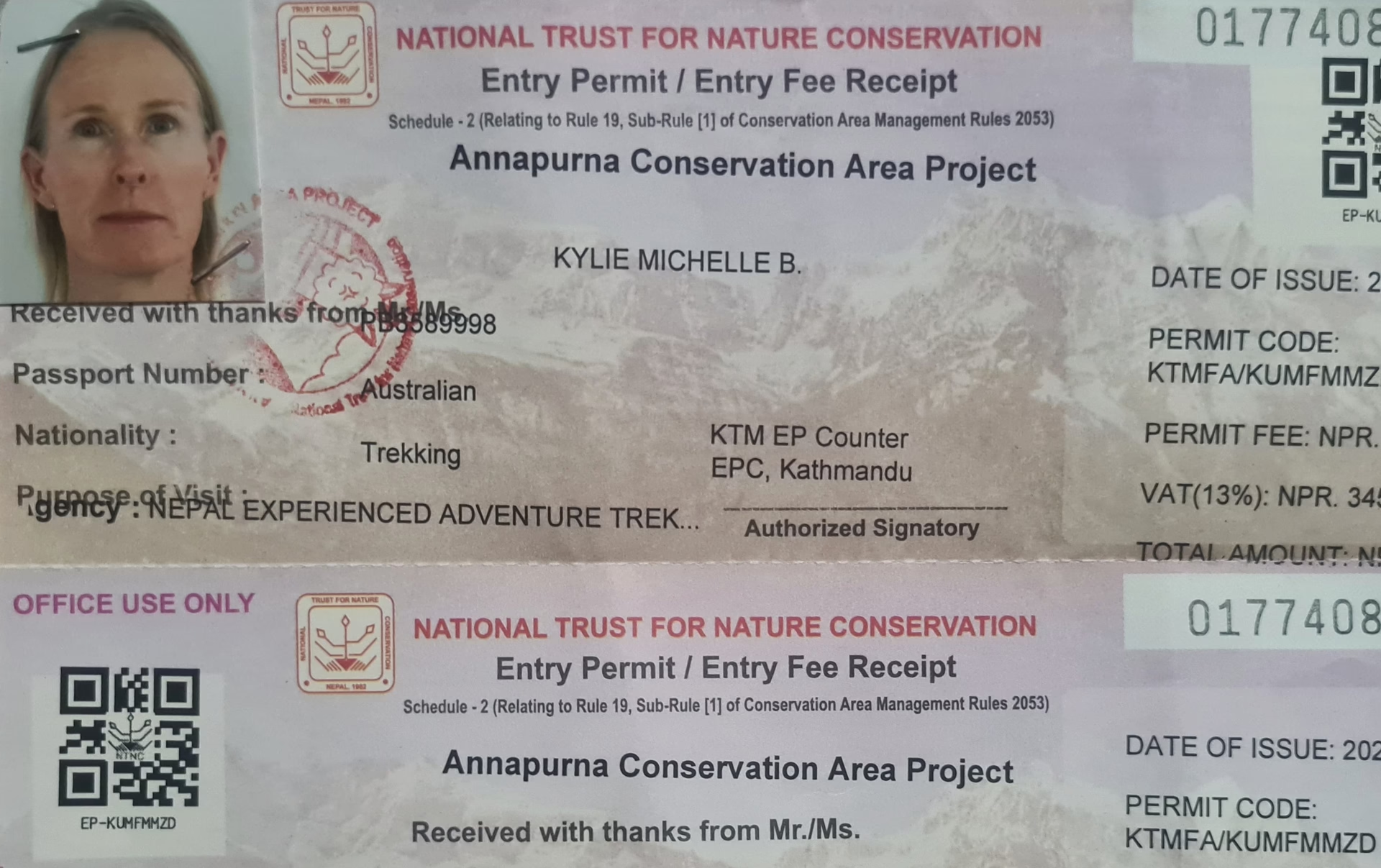
Most of the trekking routes of Nepal are inside the conservation areas. Therefore, it is understandable that you must get the conservation area entry permit before the trek. Major conservation areas of Nepal are in the commercial trekking destinations and few are in the off the beaten regions. The Annapurna Conservation Area Project (ACAP), Manaslu Conservation Area Project (MCAP), Kanchenjunga Conservation Area Project (KCAP), and Gaurishankar Conservation Area (GCA) are major sites. The cost of the conservation area project is NRs. 3000 to foreigners and NRs. 1500 to SAARC Nationals. In some sites, Nepalese trekkers may have to pay around NRs. 10 to 100 as an entry permit.
National Park Permits
Two of the national parks of Nepal are listed as the UNESCO WORLD HERITAGE SITES of the world. The Sagarmatha National Park and the Chitwan National Park are listed as the world heritage sites. Therefore, these parks are also significant in the scene of Nepal Trekking. The permit cost of the National Park entry is similar to that of the conservation sites. It is same NRs. 3000 to foreigners and NRs. 1500 to SAARC nationals. For example, you must obtain the Sagarmatha National Park entry permit for the Everest Base Camp Trek in Nepal.
Hunting Reserve Permit
You can’t hunt anywhere in Nepal. The Dhorpatan Hunting Reserve is designated for those willing to visit Nepal for trophy hunting. In addition to the trekking permits as described in the rule book, you also need to obtain the hunting permit. Remember that the hunting permit is exclusive to the specific animal that you are hunting inside the reserve. For example, the blue sheep hunting permit may cost you around 1800 $ (subject to change) and the cost may go higher according to the species of an animal that you are hunting.
Restricted Area Visit Permit
The northern border of Nepal is with Tibet (autonomous region of People’s Republic of China). Nepal Government has designated these places as the restricted zone of Nepal. Therefore, trekkers need to obtain the special restricted area permit for the trek. The Restricted area permit cost ranges from 75 $ for a week to per day 50 $ depending upon the regions. The Upper Mustang region which is also the restricted region charges 50 $ per person. Similarly, the Manaslu region charges 75 $ per person per week all season except the autumn season with additional 10 $ per person for each extra day.
Rural Municipality Entry Permit
Few rural municipalities charge trekkers to do trekking inside their territory. Revenues earned by the entry permit are used for the sake of the locals. The rural municipality entry permit cost is around NRs. 1000 to NRs. 3000 maximum depending upon the area. The Everest region treks require the Pasang Lhamu Rural Municipality entry permit that costs NRs. 3000 whereas the Manaslu Region Treks require you to buy local permit of NRs. 1000. However, some rural municipalities don’t charge the entry permit.
This blogger strongly recommends you to buy the local area entry permit for the sake of the people. The revenue generated from the local area permit goes directly for the benefits of the locals. Moreover, people become more aware of the situation and they work tirelessly with impeccable hospitality and quality services. Writing about the trekking permits in Nepal, this blogger finds it so amazing that I can share information about various aspects of permits that help in maintaining the life standards of the locals. It is truly blessing for sustainable tourism in Nepal.
Trekkers’ Information Management System (TIMS) Permit
Few years before, there was mandatory provision of the Trekkers’ Information Management System (TIMS) permit. The permit was issued by the Trekking Agencies’ Association of Nepal (TAAN). It is not in use nowadays as the authorities felt that the relevance of these permits became redundant and burden to trekkers. Therefore, TIMS permit is no longer in use and trekkers don’t have to obtain the TIMS permit for trekking in Nepal.
Filming and Drone Permits in trekking regions
Welcome to Nepal without any restrictions. However, you need to get the additional permits for filming purpose and to fly drones in certain areas of the trekking regions. 1500 $ is minimum and it depends according to the sensitivity of the region to obtain the permit for filming. Additionally, you also need to use the local logistics. Note down that you may have to pay more for filming purpose. For this, contact the reliable trekking company or the Ministry of Information and Technology of Nepal.
Are there any trekking routes where I can trek without trekking permit?
Luckily, there are trekking routes in Nepal where you can trek without any kinds of trekking permits. The Pikey Peak Trek, the Mohare Danda Trek, etc. are iconic and interesting trekking routes in Nepal which are possible to do trekking without obtaining the trekking permits in Nepal. Until 2026, it is possible to trek in Nepal without trekking permits in Nepal but it is not certain whether these treks still don’t require permits for trekking in later years.
What happens if I trek in Nepal without permits?
Deportation is the common option if you are caught trekking in Nepal without trekking permits in Nepal. Moreover, trekkers also need to know that they will be denied from trekking activities. Trekking in Nepal is a dream adventure for many outdoor enthusiasts. From the towering peaks of the Himalayas to the rich cultural experiences in remote mountain villages, Nepal offers some of the world’s most iconic trekking routes. However, before setting out on the trail, it is essential to understand the importance of trekking permits. Attempting to trek in Nepal without the required permits can lead to serious consequences, both legal and practical.
First and foremost, trekking without permits is illegal. The Government of Nepal requires trekkers to obtain specific permits depending on the region they plan to visit. These often include the TIMS (Trekkers’ Information Management System) card and conservation area or national park permits, such as those for Annapurna, Everest, or Langtang regions. If you are caught without proper documentation at a checkpoint, you may be fined, required to pay the permit fee at a higher rate, or even escorted back to the starting point. In restricted areas like Upper Mustang or Manaslu, penalties can be even more severe.
Beyond legal trouble, trekking without permits can compromise your safety. Permit systems help authorities track trekkers in case of emergencies, natural disasters, or accidents. Nepal’s mountain terrain can be unpredictable, with risks such as landslides, altitude sickness, and sudden weather changes. Without proper registration, rescue operations become more difficult and delayed, potentially putting your life at greater risk.
Additionally, permit fees contribute directly to local development and environmental conservation. The money collected is used to maintain trails, manage waste, protect wildlife, and support local communities. Trekking without permits means bypassing this support system, which ultimately harms the very landscapes and villages that attract visitors.