
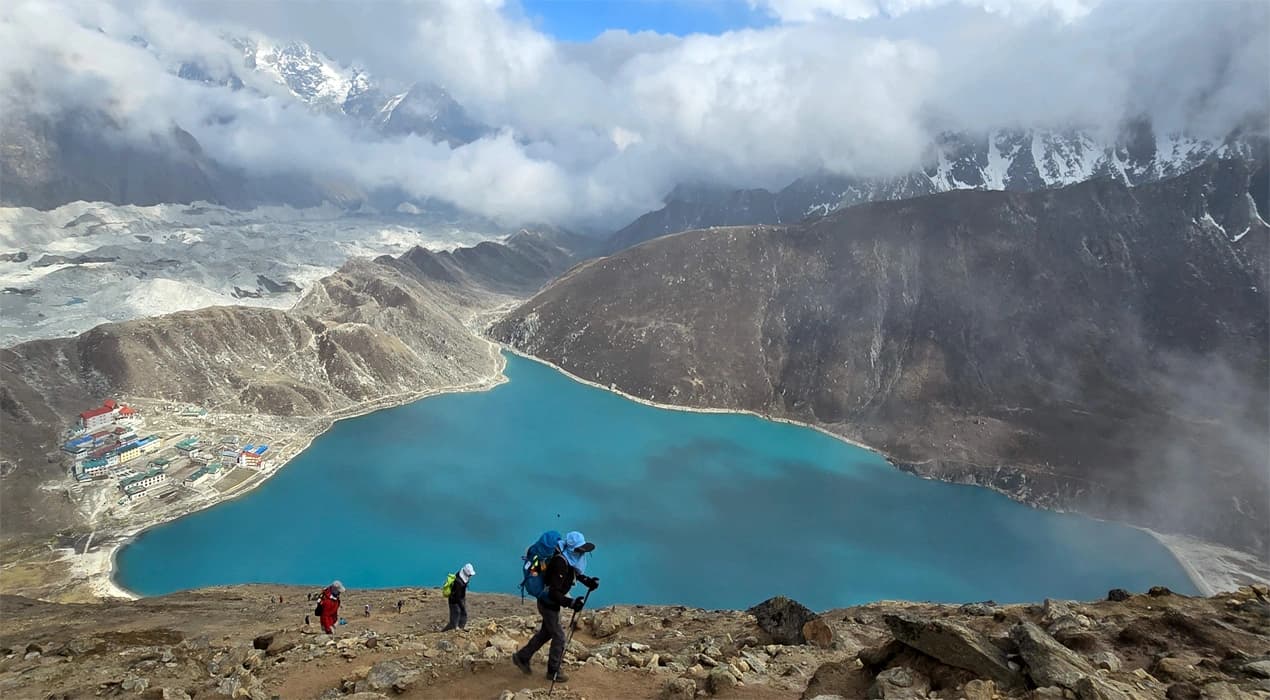
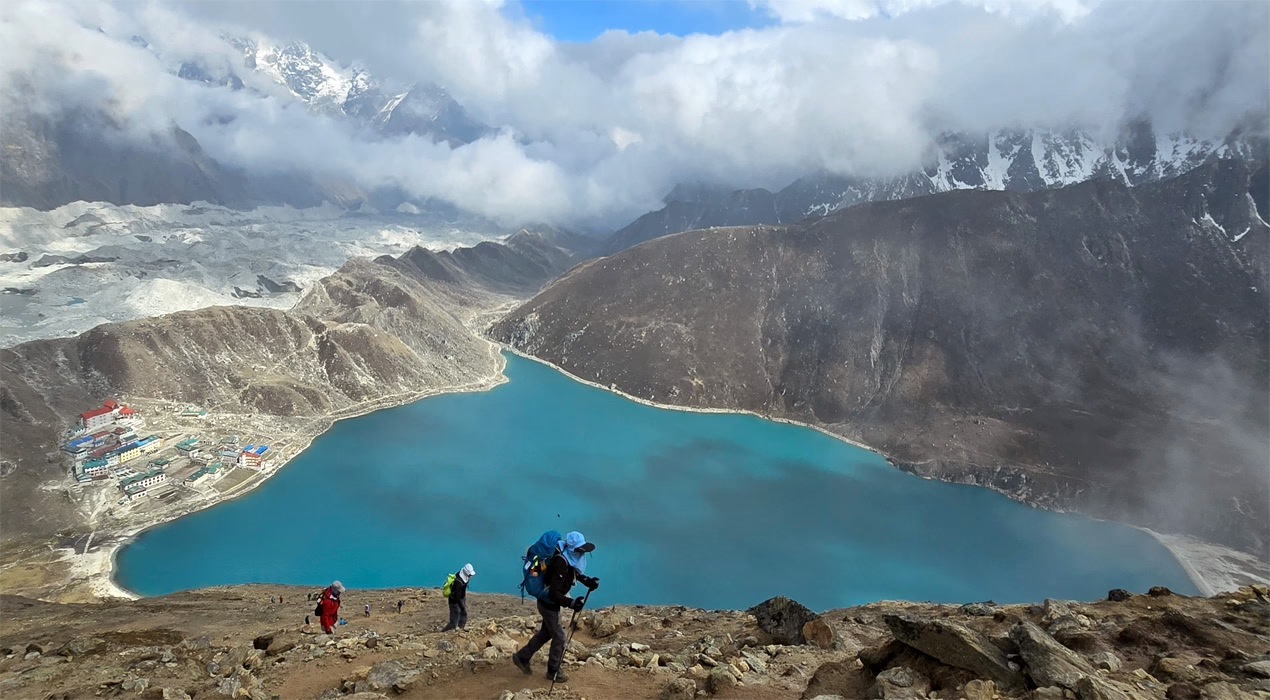
Trekking in Nepal is never an easy activity. It requires considerable amount of physical fitness level and strong mental strength. Therefore, you must prepare well before the trek. How fit do you need to be for trekking in Nepal? This is the most common and the most important question that you must ask before trekking in Nepal. Today’s blog is all about providing you information surrounding the fitness requirements for trekking in Nepal. This blogger understands that the return in the travel investment must be met in the form of satisfying memories or experiences. All these are guaranteed when you travel with all information including physical requirements.
What is trekking?
Well, to answer this question, you must know about strolling, morning walks, and hiking. Yes, trekking is the advanced form of hiking that requires at least one night spent in the destination. Hiking is basically a day walking activity in the known trail whereas trekking is the walking activity in the typical trail that requires at least one night in the walking destination. Remember that trekking is more adventurous and requires meticulous planning than hiking activities.
Nepal has always been the best trekking destination due to diversity of geography or landscapes, people, and vegetation. Therefore, a single trekking trip in Nepal can surely be the most momentous travel journey that you have ever done in your life.
Where do trekkers trek in Nepal?
In this blog titled “how fit do you need to be for trekking in Nepal?” you must know about the trekking destination. If you know where you are trekking, then you can surely know about the physical fitness requirement level. Furthermore, you can also plan or decide where to trek according to your fitness level. If not, you can prepare well for this wonderful walking journey in Nepal. Where do trekkers trek in Nepal? The question may sound odd but it is important to know about the required fitness level.
Understand the geographical terrain of Nepal to know the fitness requirement
The need for the physical fitness level is directly dependent upon the geographical terrain of the trekking trail. According to the terrain, the fitness level must match for a successful trekking trip. Therefore, the knowledge of the geographical terrain is very important in understanding the required fitness level. If the terrain has more steep uphill and downhill sections, then a trekker must prepare well. Most importantly these difficult geographical terrains require you to be in the best condition. However, easy trek routes can be done in lesser physical fitness level.
The smart choice must be done by a trekker. You can reach the most prized Everest Base Camp (5364 m) in less than an average physical fitness level if you choose the smart trekking package. This blogger highly recommends you to choose the Everest Base Camp Trek with more acclimatization days with the Nepal Trekking Rangers to ensure that you are traveling without any issues of physical fitness level requirements.
Does altitude affect the stamina level of a trekker?
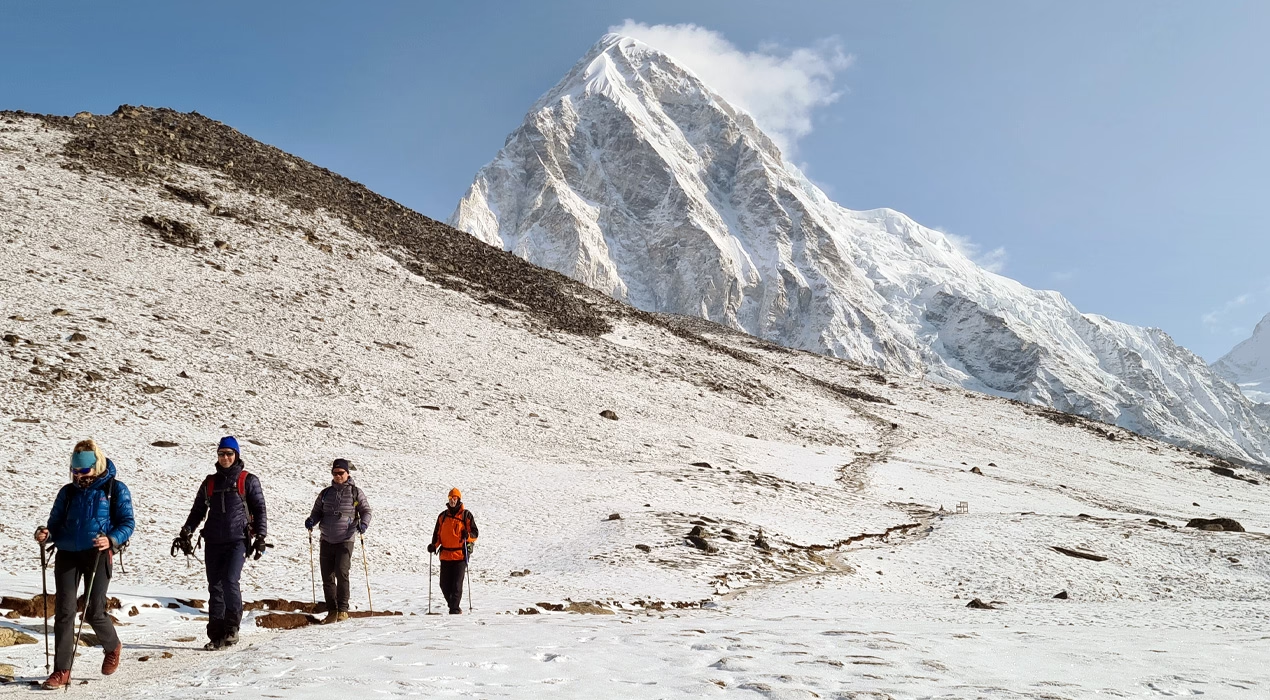
Certainly, the altitude greatly affects the stamina level of a trekker. The higher altitude places you go, you are bound to get exhausted. The major reasons behind this phenomenon are the gravitational forces, lesser air pressure, and lesser density of oxygen. You can say that altitude matters greatly in terms of the stamina level of a trekker.
How fit do you need to be for trekking in Nepal?
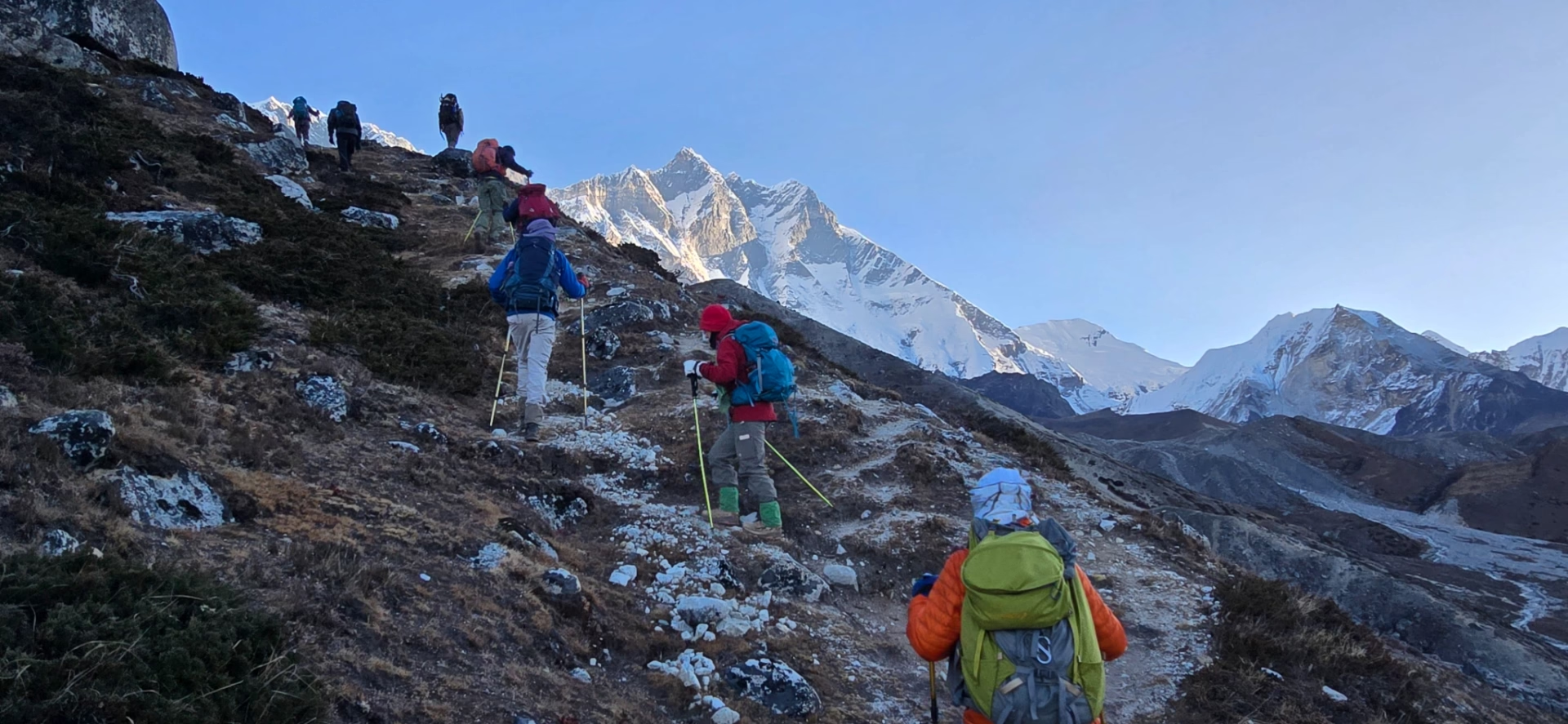
In an average, you must be able to walk average hours each day and you must also be able to overcome the demands of higher elevation places. Make sure that you have enough cardio – vascular abilities to cope up the steep uphill – downhill sections including the high – altitude places. Moreover, you must be able to hold the physical strength in such a level that you can reach the overnight camping destination on set timing.
1. Average Walking Hours
To trek in Nepal, you should be comfortable walking for 5 to 7 hours a day on average. Some shorter days may involve only 3–4 hours of walking, while longer stretches can extend to 8 hours, depending on the itinerary and trail conditions. The pace is usually steady and not rushed, with frequent breaks for rest, tea, and photos. However, walking uphill for several hours can be physically demanding, especially at higher elevations. You don’t need to be an athlete, but you should have good basic stamina and the ability to walk continuously for multiple hours while carrying a light daypack.
Preparing with regular hikes, stair climbing, or cardio exercises like cycling and jogging for a few weeks before your trip can significantly improve your endurance. Consistency in training matters more than intensity, helping your body adapt to long walking days.
2. Trail Condition and Inclination
Trail conditions in Nepal vary widely depending on the region and route. Some popular trekking routes, such as Everest Base Camp and Annapurna Circuit, feature well-established paths with stone steps, suspension bridges, and gradual ascents. However, even these routes include steep climbs and long stair sections that can challenge your leg strength and balance. In more remote areas, trails may be rough, uneven, muddy, or rocky, requiring careful footing and good coordination. Inclines can be steady and prolonged, especially when ascending to higher villages or passes.
Downhill sections can also be demanding on the knees. While technical climbing skills are generally not required, good physical conditioning and strong leg muscles are helpful. Practicing hiking on varied terrain before your trek can improve stability and reduce fatigue, ensuring you are prepared for the changing trail conditions.
3. Altitude
Altitude is one of the most important factors affecting fitness requirements for trekking in Nepal. Many popular treks reach elevations above 3,000 meters, and some go beyond 5,000 meters. At higher altitudes, oxygen levels decrease, making physical activity feel more strenuous. Even fit individuals may feel breathless, fatigued, or slower than usual. You don’t need elite fitness, but you must have enough stamina to walk steadily at a slower pace while allowing your body to acclimatize.
Proper acclimatization days built into the itinerary are crucial to prevent altitude sickness. Being physically prepared helps your body adjusts more efficiently, but it does not eliminate the risks associated with altitude. Training with cardio exercises and endurance hikes beforehand can improve lung capacity and stamina. Listening to your body and maintaining a gradual ascent are equally important for a safe and enjoyable trek.
4. Number of Days
The number of trekking days directly affects how fit you needs to be. Short treks of 4–6 days require moderate fitness, as the physical demand is limited to a shorter period. However, longer treks such as the 12–16 day Everest Base Camp or Annapurna Circuit require sustained endurance over many consecutive days. Even if daily walking hours are manageable, the cumulative fatigue can build up over time.
Recovery overnight is important, but you must be prepared to wake up and walk again each day. Mental resilience also plays a role, especially when facing changing weather or physical discomfort. To prepare for multi-day trekking, practice back-to-back hiking days before your trip. This helps condition your muscles and joints for repeated effort. Consistent physical preparation ensures you can maintain energy levels and enjoy the journey without feeling overwhelmed.
5. Distance between Two Overnight Camps
The distance between overnight camps in Nepal typically ranges from 8 to 15 kilometers per day, though this can vary by route. While the distance may not seem long compared to flatland walking, mountainous terrain makes each kilometer more demanding. Ascents, descents, and uneven trails slow your pace and increase energy expenditure. Because villages and teahouses are spaced according to traditional trekking routes, daily stopping points are often fixed. This means you must be able to comfortably complete the planned distance each day. Carrying a light backpack with essentials adds to the effort, even if porters handle most luggages.
To prepare, practice hiking similar distances on hilly terrain with a small pack. Building leg strength and endurance will make these daily distances manageable, allowing you to arrive at each overnight camp feeling tired but satisfied rather than exhausted.
How to improve the fitness level before trekking in Nepal?
As mentioned above, a trekker has to walk at least 6 to 7 hours in an average every day. Therefore, the need of the physical fitness level is very high. Cardiac exercises like running, walking, cycling, swimming, and running are highly recommended to build up the physical fitness level and cardio – vascular abilities of a trekker. You must do the preparatory activities at least one month prior to the trek. Moreover, a fit person has high chance to avoid any kinds of altitude sickness even during the higher elevation trekking trips.
Just remember that Nepal is an epitome trekking destination of Nepal. Don’t bar yourself just because you don’t have required physical fitness level. Build up the level and you can trek in any trails of Nepal.