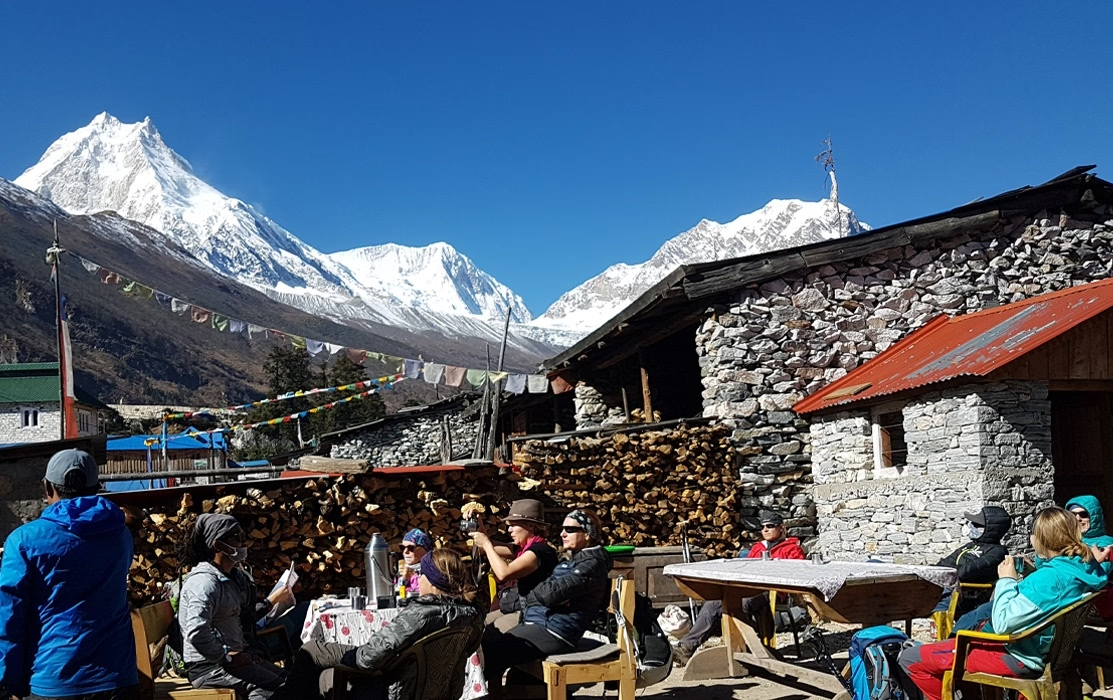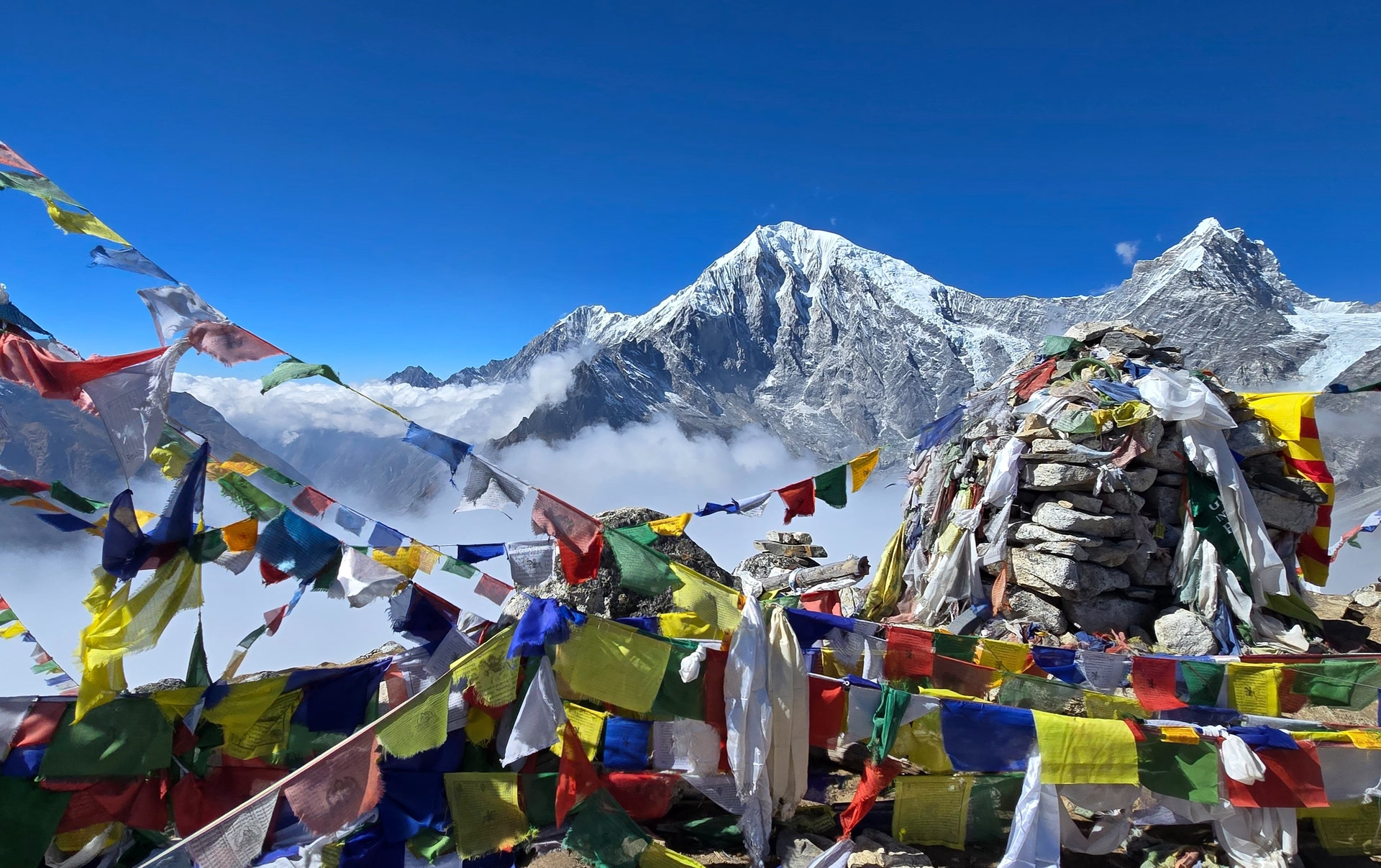
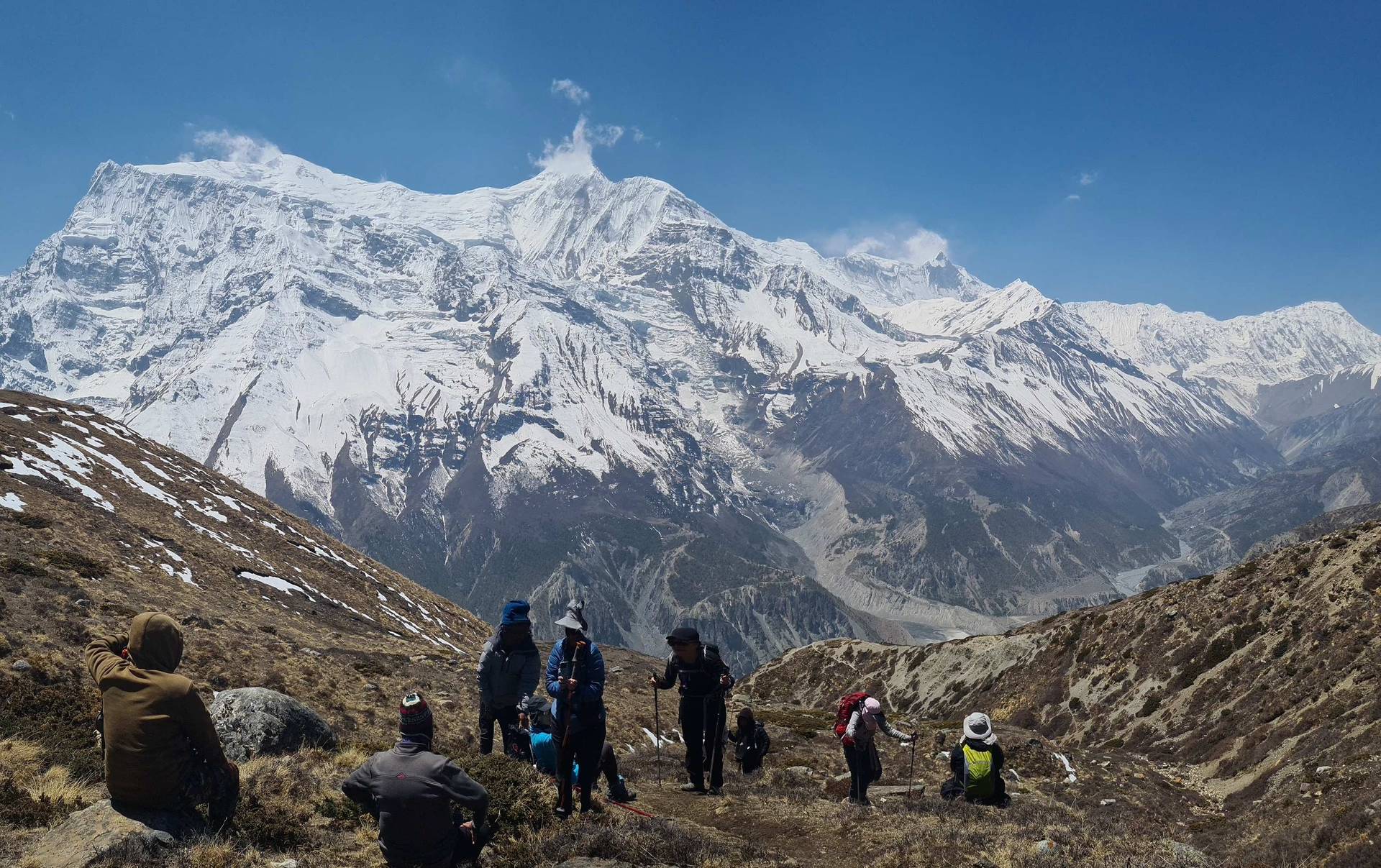
People love to travel to new places and if it is in the lap of Himalayas, then it is much better. Nepal offers some of the best trekking trails to walk on full of natural and cultural attractions. However, there are many challenges a trekker must consider for a successful trekking trip. There is one frequently asked question about treks in Nepal. How Difficult is trekking in Nepal? Yes, today’s blog focuses on the difficulty level of trekking in Nepal. By the end of the blog, you will be able to know about the various trails where you can trek in terms of difficulty grade.
Before we delve deeper into finding the difficulty level of trekking in Nepal, let’s know in brief about Nepal Trekking.
Trekking in Nepal: Majestic Holiday Activity
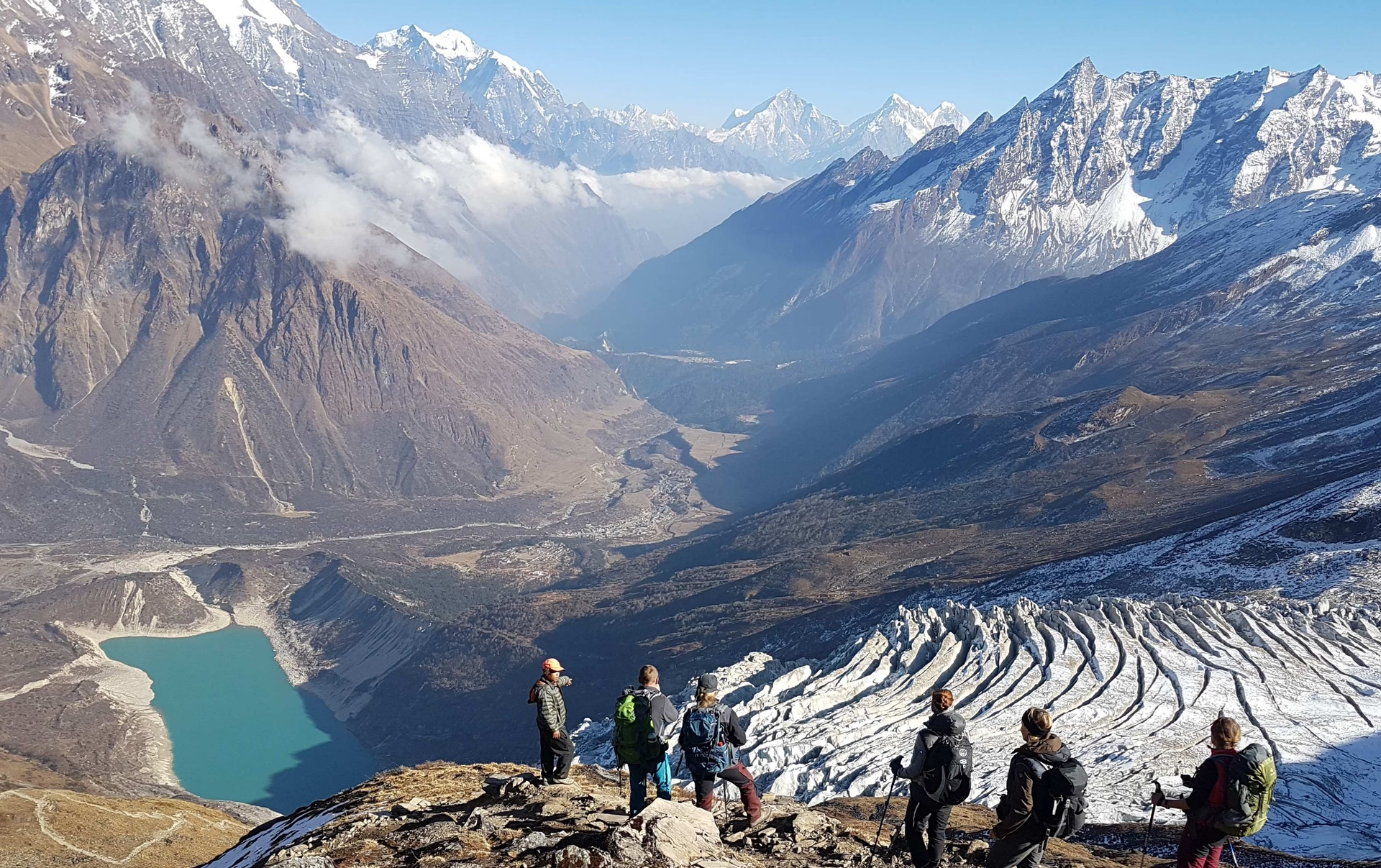
Trekking in Nepal is the most popular holiday activity among travellers from across the globe. The presence of mountains, villages, forests, and diverse landscapes provide something for everyone. Moreover, the ancient history, myths and legends found in every hill and valleys of Nepal make it more worthy. A trekker can knit the beautiful tales of walking holiday full of snow – capped mountains, green lush forests, raging white water Rivers, warm hospitality, and myths. Therefore, it has been the cornerstone of Nepalese tourism industry.
How Difficult is trekking in Nepal?
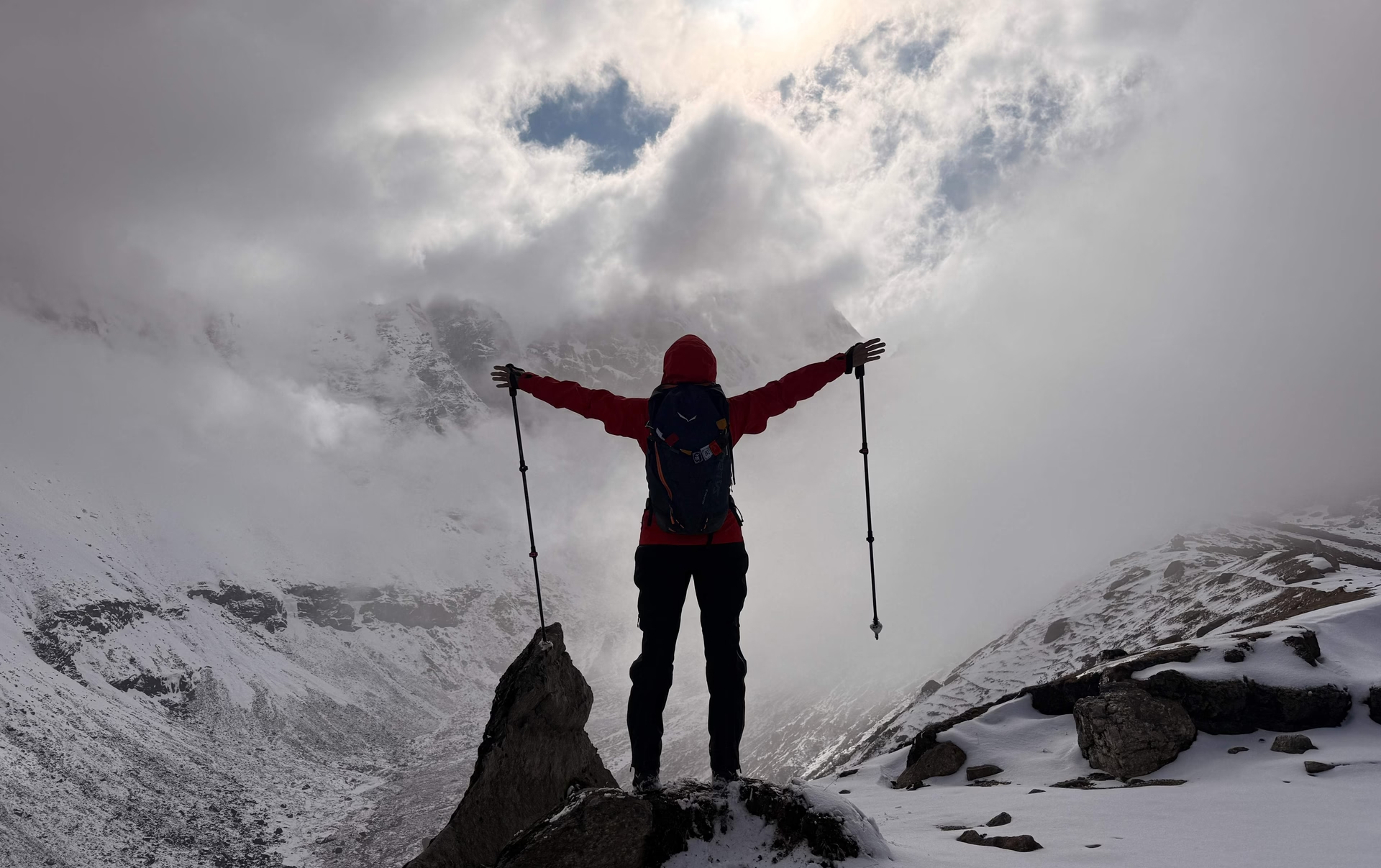
So, how difficult is trekking in Nepal? The answer is simple. The grade of difficulty level of trekking in Nepal ranges from Easy to Challenging with moderate in between. Therefore, today’s blog is very important to identify the difficulty level of trekking in Nepal for better preparation. Later on in this blog, you will find out the factors that increase the difficulty level and also tips to overcome these factors.
What are the factors that increase the difficulty level of Nepal Trekking?
At first, let’s find out about the meaning of difficulty. What is difficulty? Well, the term difficulty means that you find it hard to complete the journey comfortably. There are different forms of difficulty. Some people may find any place difficult due to lack of infrastructure while some may find it difficult due to altitude. Sometimes, you need to figure out the exact reason that makes any trail difficult to walk. Note it down that the personal preferences can be the great factor in determining the difficulty level.
While answering the question “how difficult is trekking in Nepal?” and finding solutions, you shouldn’t forget the factors determining the difficulty level. Here is the brief introduction of the various factors that increase the difficulty level of Nepal Trekking.
1. Altitude
The biggest factor that increases the difficulty level is an altitude. The more higher you go, the harder it becomes. Therefore, you should not overlook the altitude factor. In the high altitude places, the oxygen level and air pressure drop significantly. The gravitational factor also plays its part. The body dehydrates and exhaustion increases. Hence, trekking above 3500 m altitude can be labeled as the difficult journey.
2. Steep Uphill & Downhill Trail Sections
Walking in a flat trail is much easier than walking in the vertical steep slopes. The trail full of steep uphill and downhill sections can be difficult for ordinary trekkers. Therefore, the presence of the slopes in the walking trail is also one of the factors that increase the difficulty level.
3. Rugged & off the beaten Trail
Well-trodden and well – maintained trail is easy to walk. However, the trail full of boulders, rocks, and pebbles is hard to comfortably trek. Traveling in the rugged trail significantly decrease the efficiency of a trekker. It drains the energy drastically and exhaustion creeps in unknowingly. Therefore, rugged and off the beaten trails are kept under the difficult and challenging trekking trails.
4. Landslide Risky Areas
Normally, the Langtang Valley Trek is one of the best easy treks to do in Nepal. There are few sections in the trail which have high risks of landslides. Moreover, some of the sections are life threatening. Therefore, the Langtang Valley Trek is classed moderate despite it being the easiest among all commercial treks in Nepal.
5. Glaciers & Crevasses
The lethal factor that makes a trek difficult is the presence of glaciers & crevasses. In fact, there are many high – altitude trekking trails in Nepal full of crevasses. Imagine yourself trekking in the wilderness region of Nepal and stuck in one of the crevasses. Therefore, the presence of glaciers and crevasses increase the difficulty level of trekking in Nepal.
6. Lack of Trekking Infrastructure & Facilities
Additionally, the lack of trekking infrastructure and facilities also increase the difficulty level. Railings, signage, tea houses, eateries, medical centers, electricity, communication facilities, etc. are basic trekking infrastructures. Unavailability of these facilities can make it hard for trekkers to comfortably complete the course. Therefore, you can’t overlook these factors while determining the difficulty level of a trek.
7. Personal Physical Fitness and Cardio – Vascular Ability Level
Finally, the biggest factor is the personal physical fitness level and cardio – vascular abilities. No matter how good a trail is, you can’t successfully complete the trek without proper physical fitness level and strong cardio – vascular abilities. In the trekking routes of Nepal, you have to walk about 6 to 7 hours in an average each day. Therefore, a poor fitness level trekker may feel any trekking trip as the difficult course to walk on.
Things to consider overcoming difficulty level
How trekkers can overcome the difficulty level? Improving the physical fitness level and having the strong will power can help immensely to overcome these factors of difficulty. After answering the question “how difficult is trekking in Nepal?” and after providing the factors, let’s find the solutions. Here is the list of the 5 things to consider overcoming difficulty level.
1. Travel Insurance
Buying travel insurance before trekking in Nepal doesn’t help physically but it improves confidence level. Make sure that you have a travel insurance that covers emergency helicopter rescue from anywhere in the trekking route. It incurs additional costs for the trip but it is highly recommended for safety reasons. Moreover, trekking can never be cheap and you need to do hefty travel investment. A trip must be successful and safe!
2. Essential Packing List
Understand the climate, availability of lodging facilities, and trail conditions before packing for the trek. Pack the essentials from clothing to gear. Most of the trails of Nepal are high in the mountains which can be extremely cold during certain time of the year. Therefore, wear warm layered clothes and use proper trekking gear. Wear sturdy hiking boots and use trekking poles to lift weight from the body.
3. Adequate Information
The blogger doesn’t advise you to trek in the trail without adequate information. Collect all information about the destination from weather to geographical terrain and from meals to lodging. Similarly, you must also know about the local rules and regulations before the trek. Travelling with full information helps you to avoid awkward and difficult circumstances.
4. Guide Hire and Trek Package from Travel Company
Consider buying trekking package from the reliable trekking company for high accountability and quality services. Hire a trekking guide for safety and authentic information. If possible, hire a local trekking guide who can easily navigate through the difficult sections of the trekking route. Having a trekking guide with you can help you come out of the tricky situations. Enjoy the trek without any concerns of logistic management difficulties by hiring a trekking guide.
5. Physical Preparation
Important thing to consider before trekking in Nepal is the physical preparation. Build up the physical fitness level by doing lots of exercises like running, walking, swimming, hiking, and cycling. Start the preparation at least one month prior to the trek. Make sure that you are able to walk for about 6 to 7 hours in an average each day. To overcome exhaustion, you must possess fit body.
The blog not only provides you the ideas about grades but also provides you the exact trails to trek in terms of difficulty. Please don’t think about “how difficult is trekking in Nepal?” and halt your plans. Have no fear! This blogger highly recommends you the following treks which are under the easy, moderate, and challenging difficulty level categories.
Easy Treks to do in Nepal
1. Ghorepani Poon Hill Trek
2. Everest View Trek
3. Mardi Himal Trek
4. Langtang Valley Trek
5. Chisapani Nagarkot Trek
6. Mohare Danda Trek
7. Pikey Peak Trek
Moderate Treks to do in Nepal
1. Everest Base Camp Trek
2. Annapurna Base Camp Trek
3. Annapurna Circuit Trek
4. Manaslu Circuit Trek
5. Tsum Valley Trek
6. Langtang Gosaikunda Lake Trek
7. Gokyo Lake Trek
8. Khopra Ridge Trek
9. Kanchenjunga Circuit Trek
10. Upper Mustang Trek
Challenging Treks to do in Nepal
1. Everest Three High Passes Trek
2. Dhaulagiri Round Trek
3. Upper Dolpo Trek
4. EBC Chola Pass Trek
5. Tilicho Lake Mesokanta La Pass Trek
6. Ganjala Pass Trek
The best recommendation this blogger can make to you regarding difficulty level of trekking in Nepal is contact the reliable trekking company like the Nepal Trekking Rangers. Once you talk with the travel planners of the company, you can plan where to trek in Nepal according to your situation.